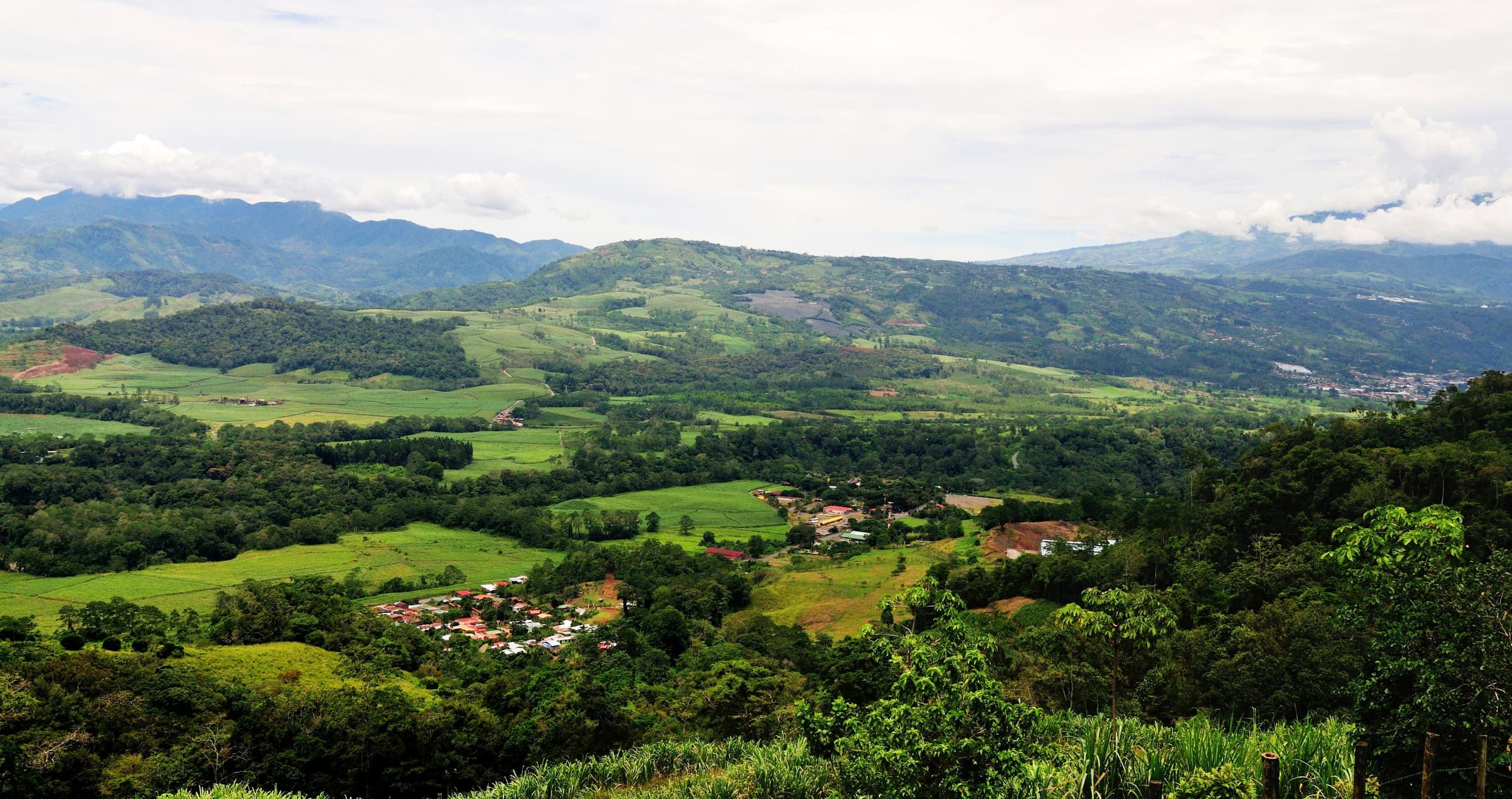
Cartago is a province located in the central interior of Costa Rica, but can also be classified as a region when combined with the broader inland mountainous areas that are not typically associated with the other regions of the central and south. The region comprises Cartago province and parts of San José province, bordered by Limón Province and the Caribbean region to the east, San José province and the Central Valley region to the north, and Puntarenas and the Pacific regions to the west. Cartago itself is one of the smallest provinces, yet has some of the richest and longest history in the entire country. The favorable climate in the region allows for the cultivation of various commercial crops, with particular suitability for potatoes and sugar cane.
Cartago, the capital city of the province, held the title of Costa Rica’s capital until 1823. It assumed this position following the country’s independence from Spain in 1821. However, an internal conflict regarding strategic partnerships arose, as Cartago and Heredia sought to join Mexico. Ultimately, Costa Rica remained independent, and the capital was relocated to San José. Nevertheless, Cartago’s history dates back to the 16th century when it was founded in 1563 by Juan Vasquez de Coronado. It became the first permanent Spanish settlement in the country. In 1565, the King of Spain granted Cartago an official coat of arms, and it was later honored with the formal title of “Very noble and very loyal.” To this day, the region houses significant colonial art and artifacts, including notable landmarks such as:
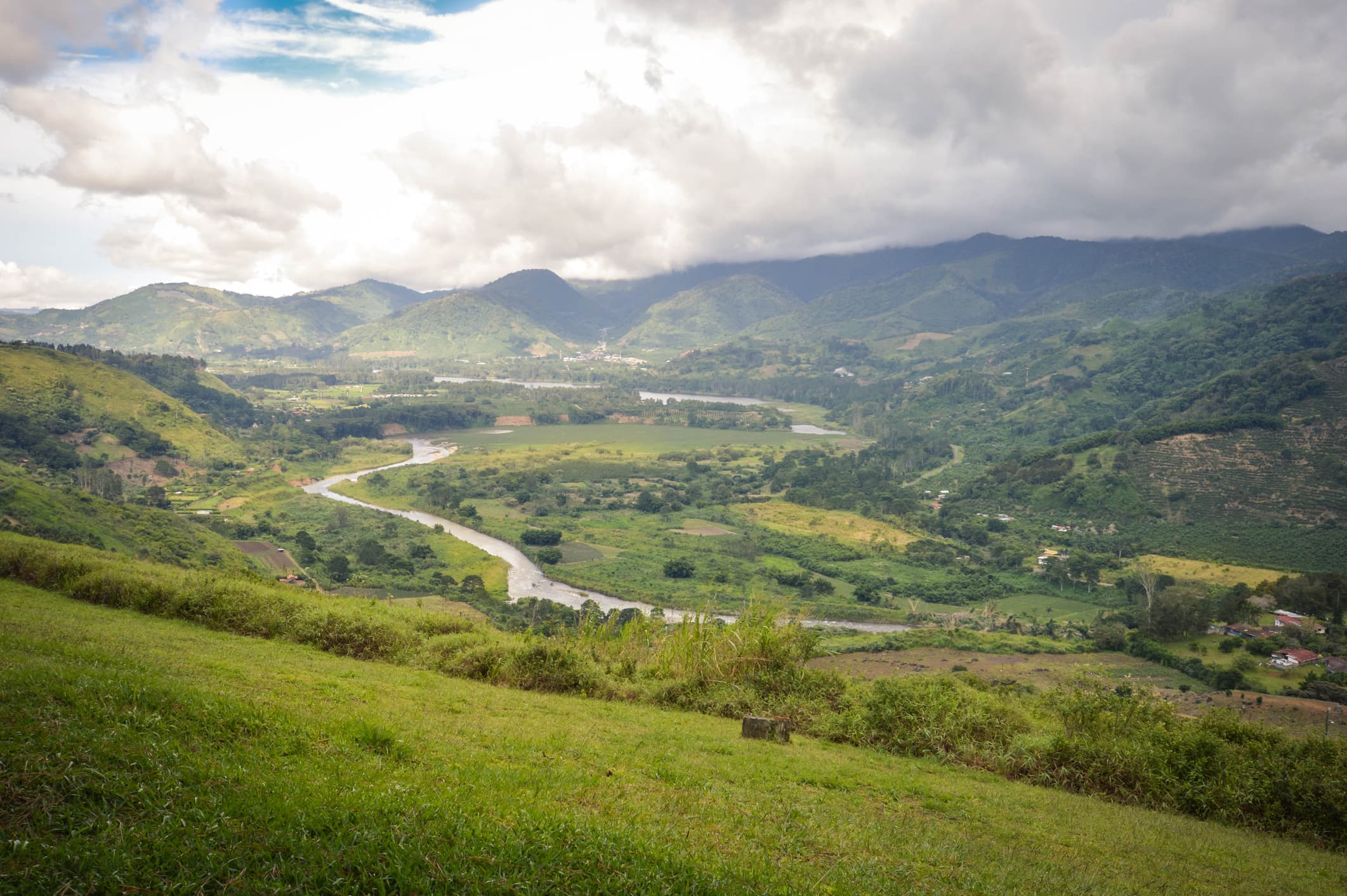
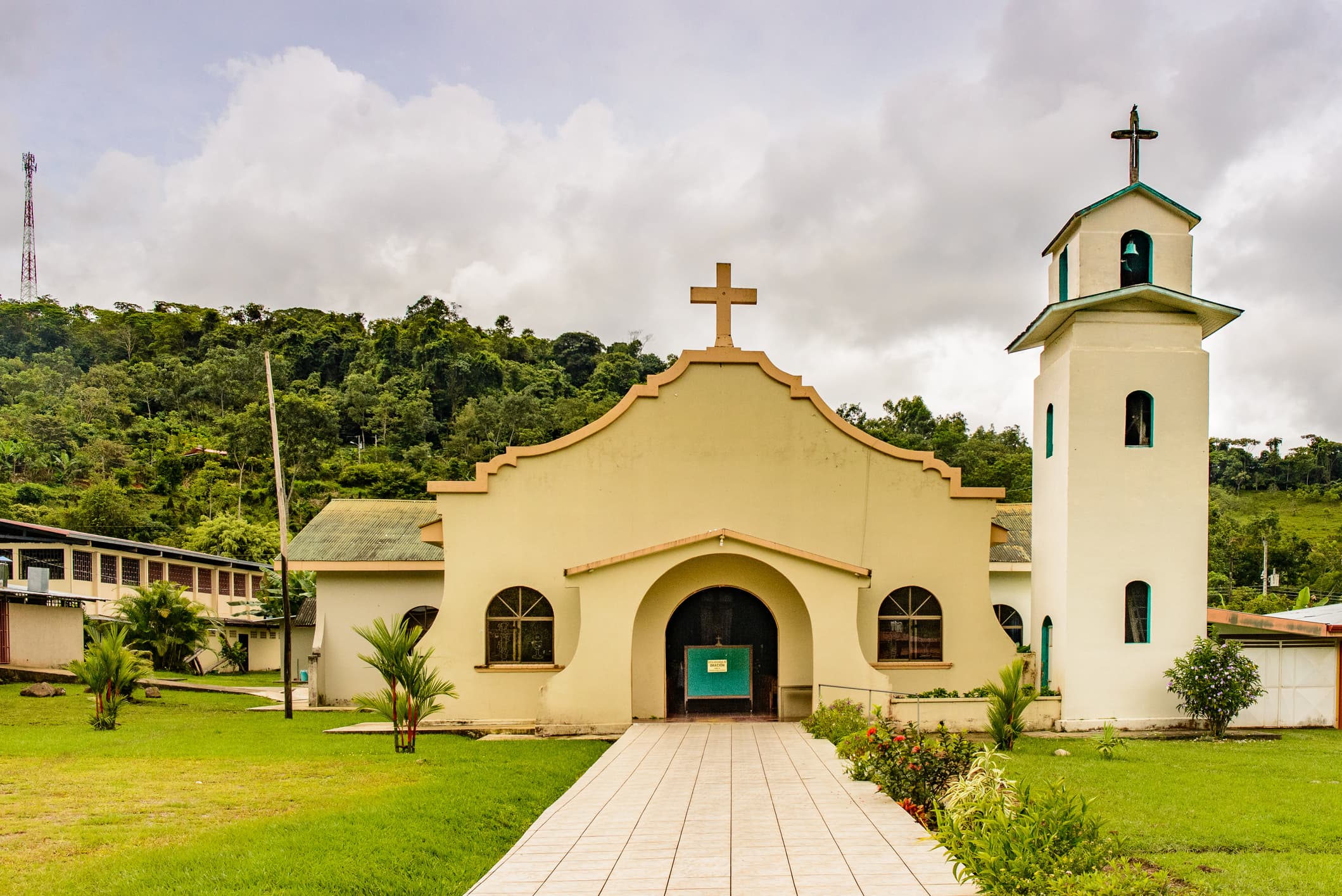
- Iglesia Colonial de Orosi – started in 1743 as a Franciscan convent, it was finished in 1766 and is the oldest still in use church in Costa Rica. For those who are looking for a tranquil community, the Orosi Valley is an incredible gem.
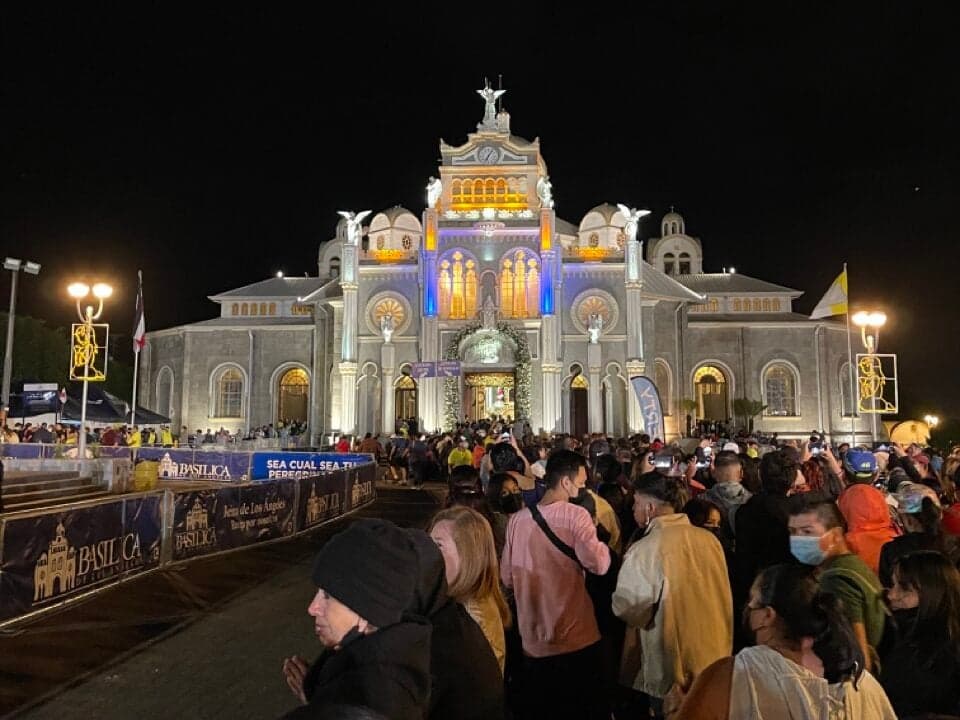
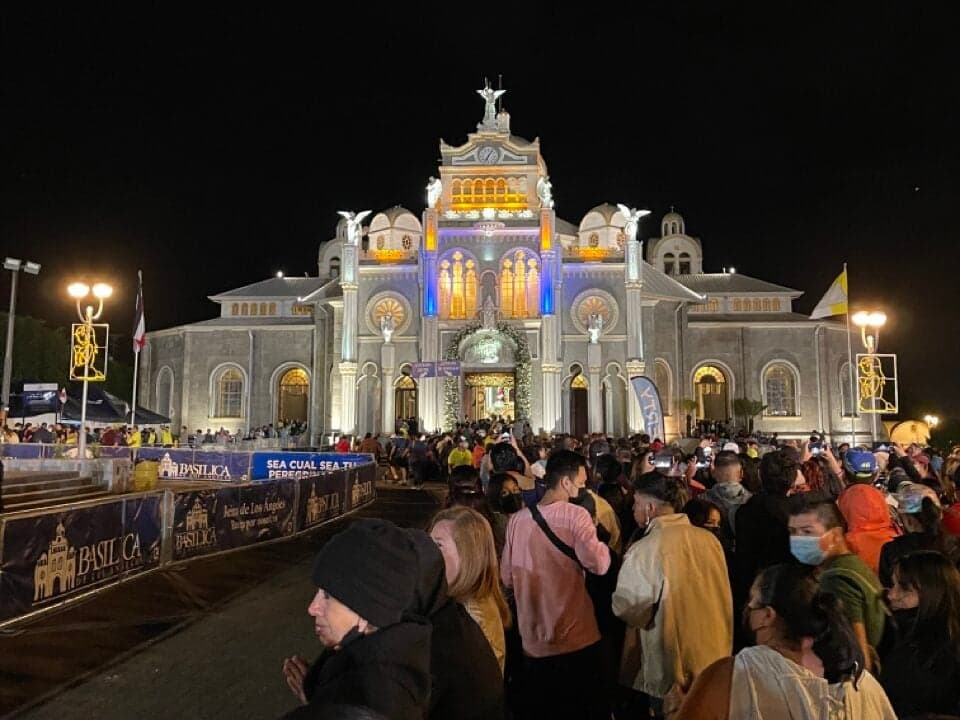
- Speaking of churches, the Basilica of our Lady of the Angels – which blends traditional Spanish colonial styles – is a must for all traveling in the region. Each year millions of travelers, Ticos and foreigners alike participate in the Pilgramage from San José to Cartago to offer prayers to “La Negrita”, a sacred relic purported to be a piece of a black stone Madonna and Child statue that appeared on a boulder and could not be removed. The magnificent basilica has been built in order to sanctify the many miracles now attributed to this Madonna.
- And Las Ruinas de la Parroquia, which started life as a shrine to St James the Apostle in 1575, stands today as ruins that not only celebrate the importance of both religion and Spanish rule in this region, but also the volatility of the region as this structure has been rebuilt several times (1841, 1910) after earthquakes. Today only the outer walls stand.
- The region also is a site of several pre-Columbian settlements, including Guayabo which holds more than 3000 years of history and is the largest pre-Columbian site in Costa Rica. At its height (before Spanish conquest) Guayabo held more than ten thousand people.
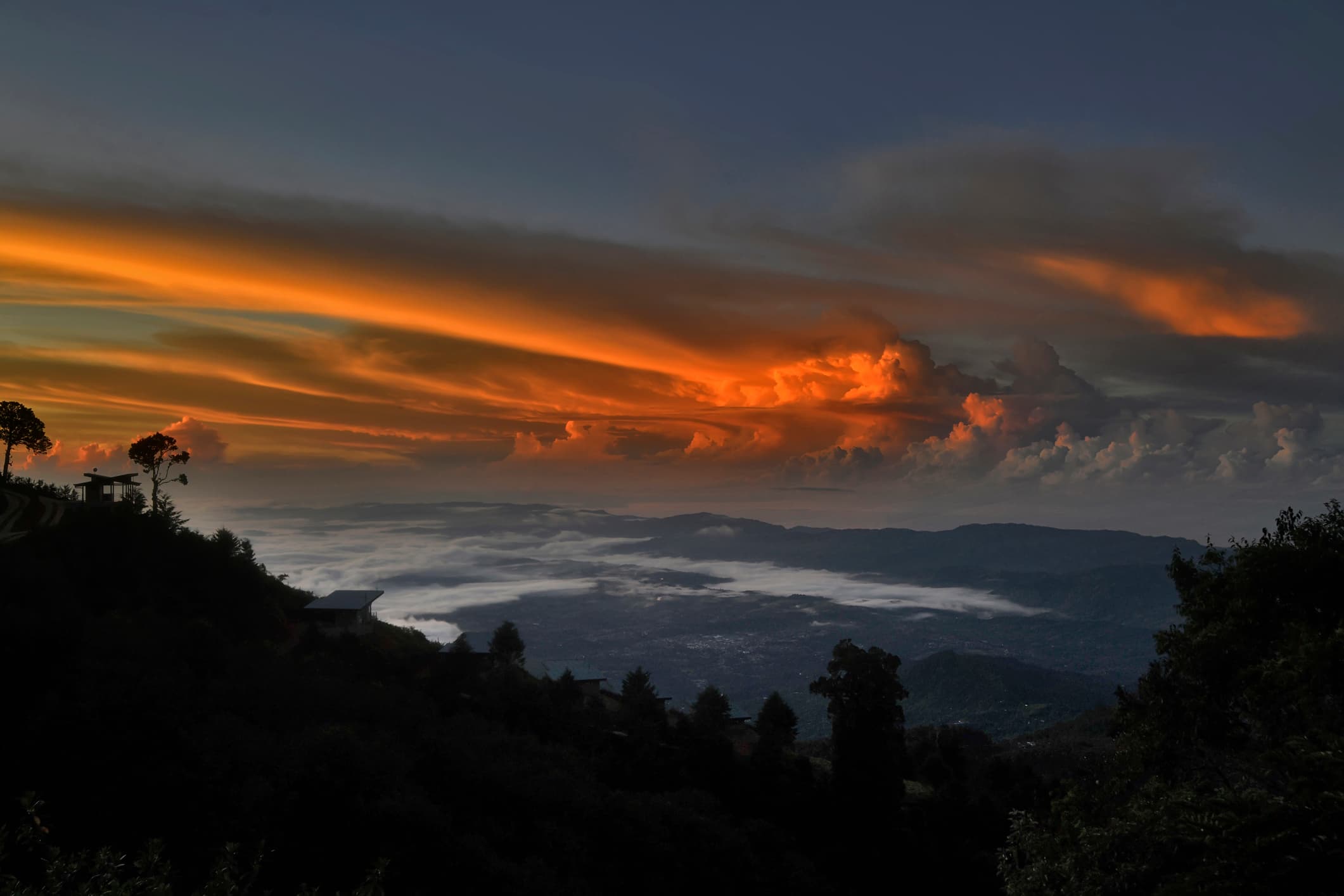
The Inland Mountains are not only renowned for their rich history but also for their breathtaking natural beauty. This captivating region is characterized by towering, jagged mountains encircling fertile valleys, enchanting cloud forests, and lush rainforests. The tallest peak in Cartago province is Cerro de la Muerte, reaching an impressive height of 3,600 meters (11,811 ft.). However, the crown jewel of the area is the mystical Cerro Chirripó, standing as the tallest mountain in the country at 3,820 meters (12,533 ft.), majestically overseeing the entire region. To access this awe-inspiring mountain, one can venture from the picturesque village of San Gerardo de Rivas, nestled within another captivating valley adorned with agricultural communities and spiritual retreat centers. Additionally, the region is home to several active volcanoes that add to its allure. Among them is Volcán Irazú, which holds the distinction of being the country’s tallest volcano at 3,432 meters (11,260 ft.) and last erupted in 1994. Another notable volcano is Volcán Turrialba, which had its most recent eruption in 2016.The topography of the region means that it is also headwaters for several rivers including the Sarapiquí, Grande de Tárcoles, Chirripó, and Reventazón.
Climate
Cartago is one of the coolest regions in Costa Rica. Temperatures typically vary between 15ºC (60°F) to 25ºC (77°F), with the lowest temperature rarely below 14ºC (57°F) or above 27ºC (80°F). It is designated a tropical rainforest climate, with precipitation numbers and higher humidity constant year round. The region’s warmest month tends to be April, with the coldest being January. The wettest month is October, with the driest month being February. The best time to visit the region is typically December through April (dry season). It is important to note that in the higher elevations and more humid cloud forests, temperatures can dip down significantly lower, with frost and ice not uncommon in the coolest months.