Central Valley

Central Valley

Year-round spring weather, the country's best hospitals and schools, and urban convenience that no other region can match. Dig into the neighborhoods and towns that make the Central Valley the country's most livable region.

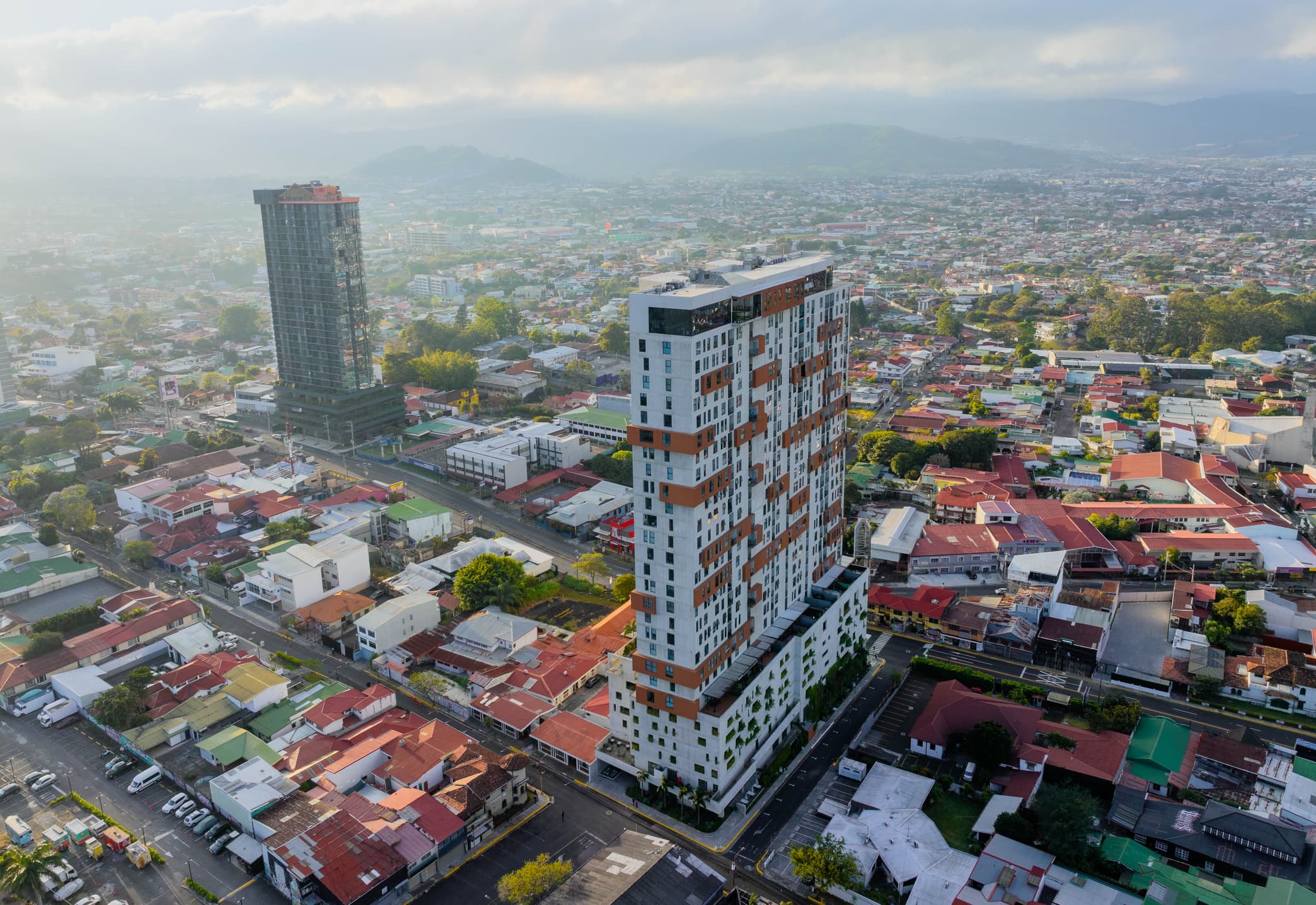
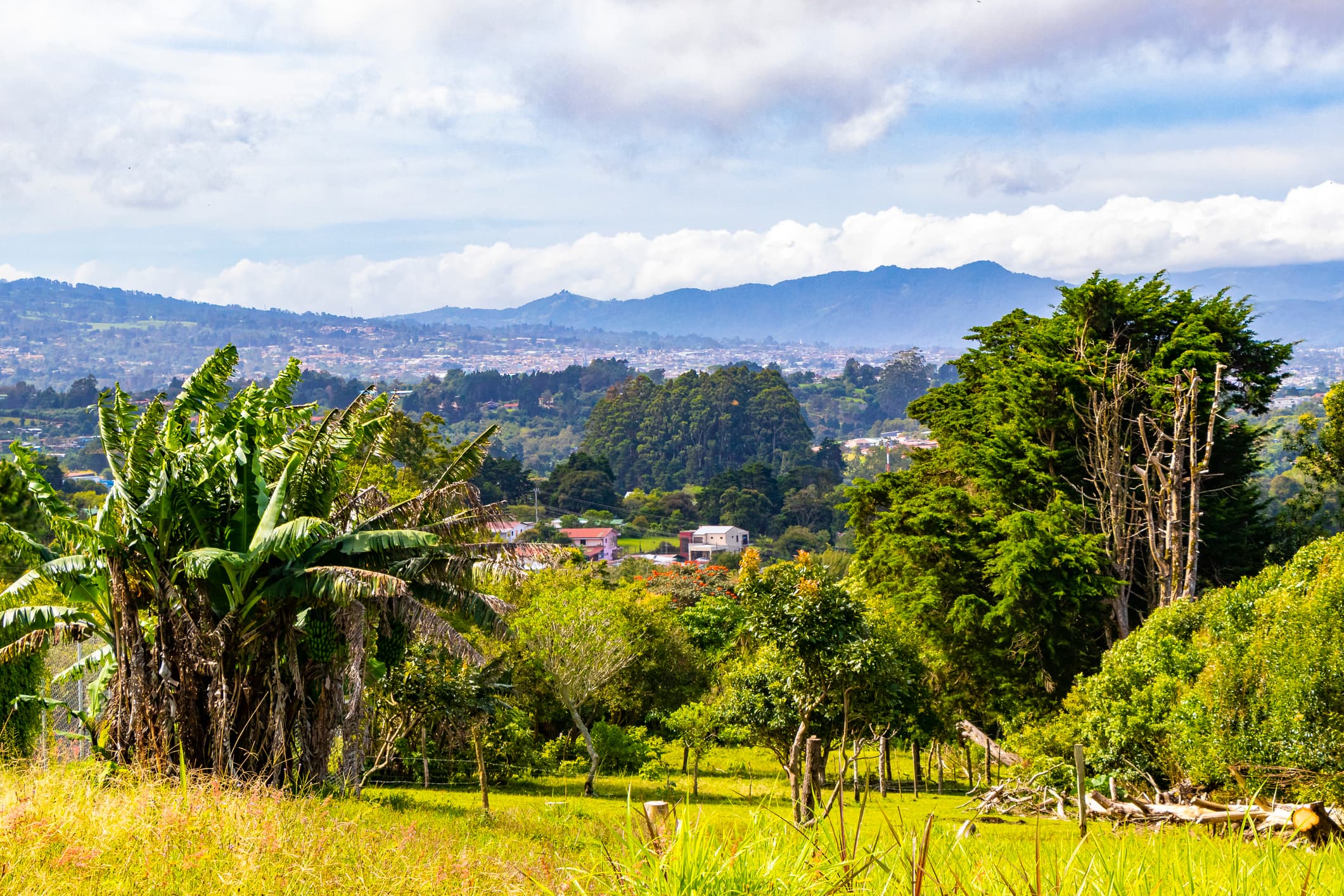
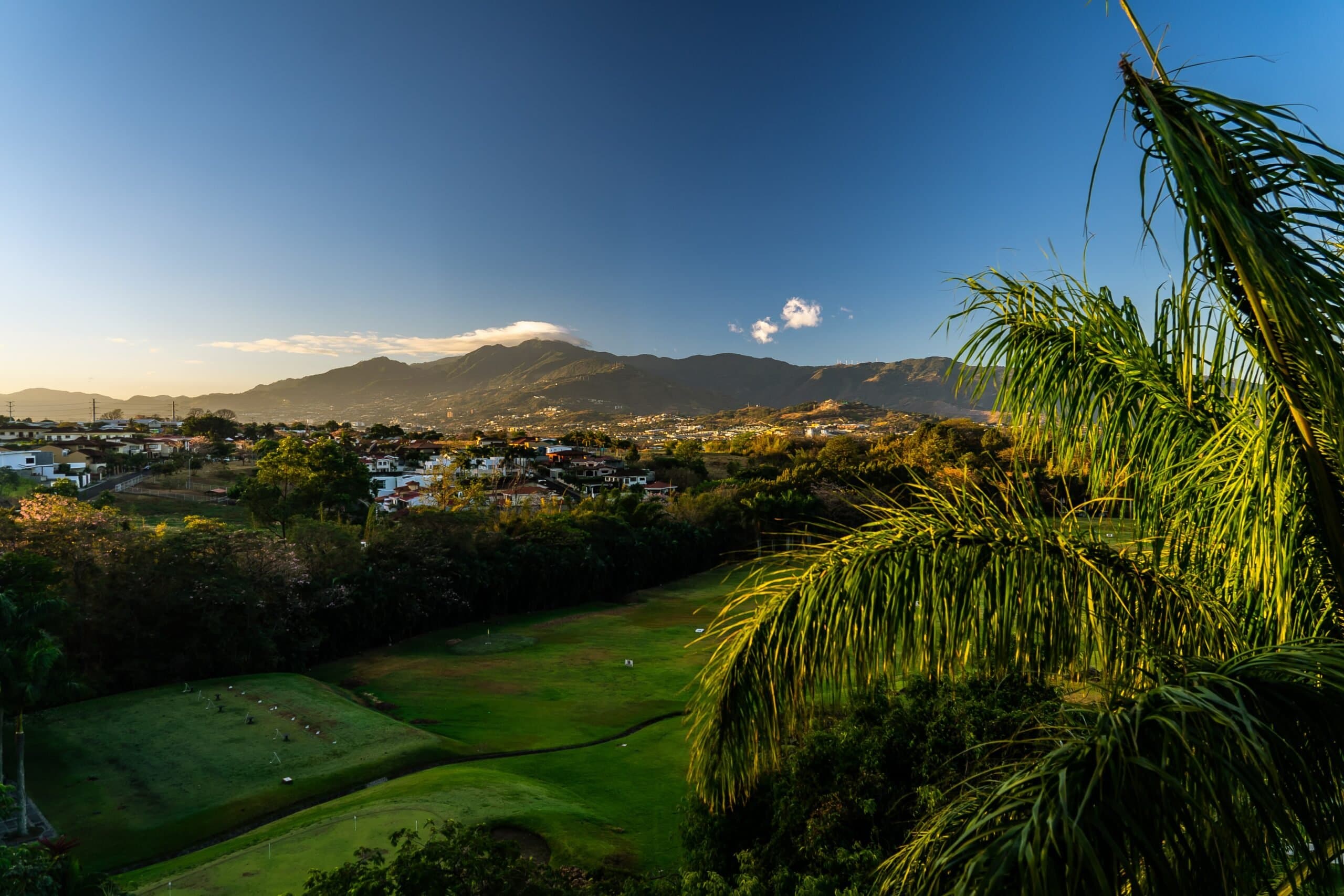
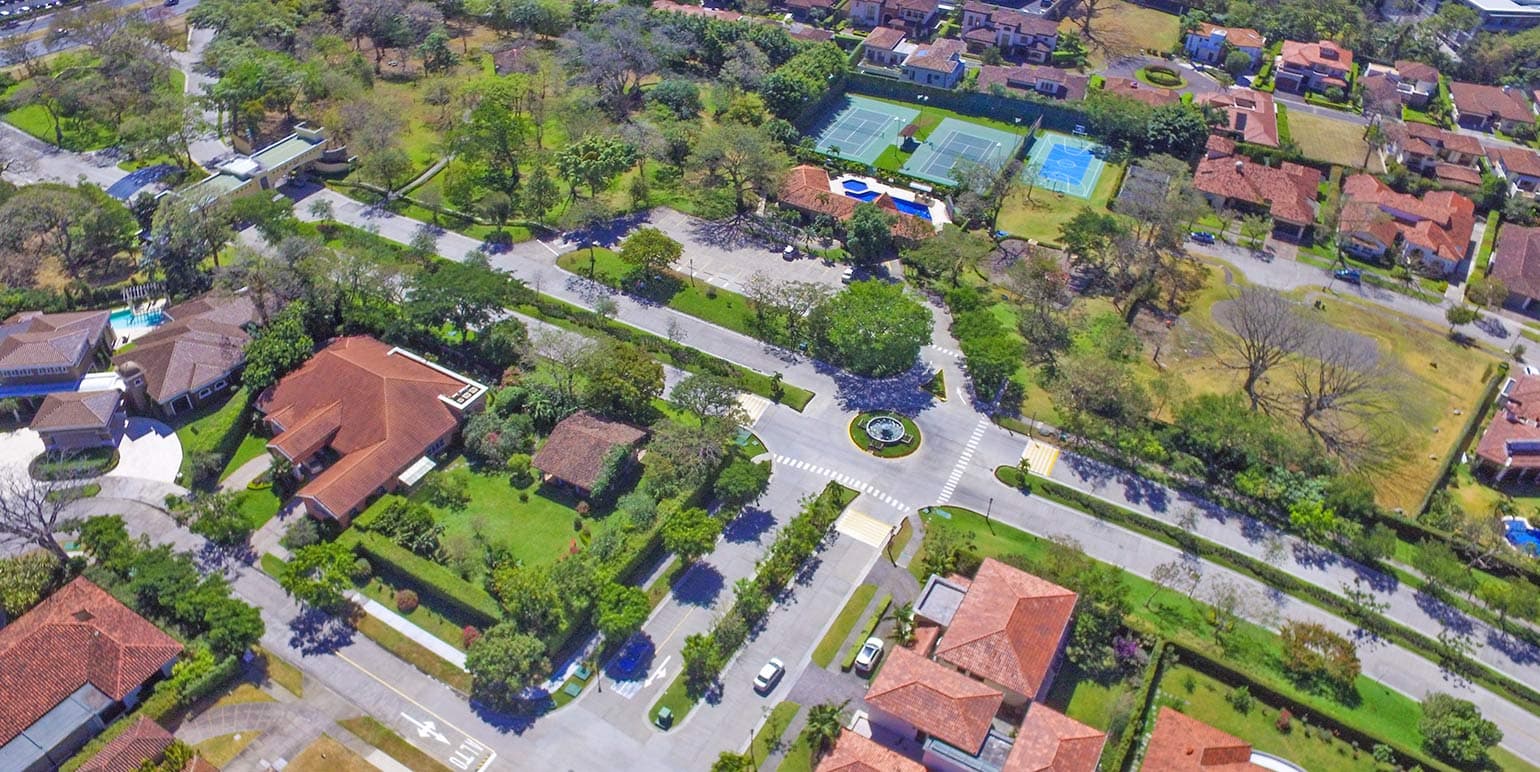
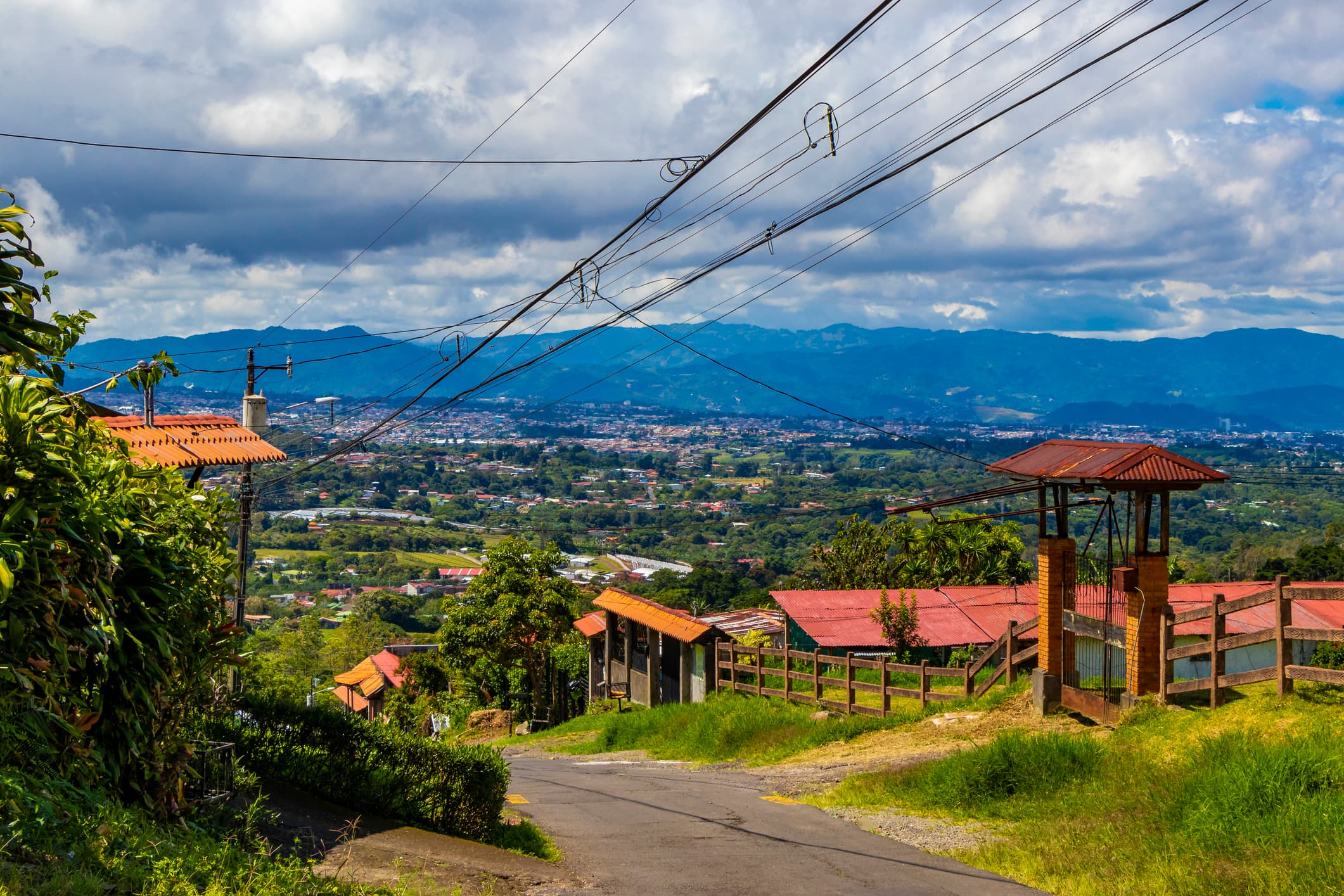
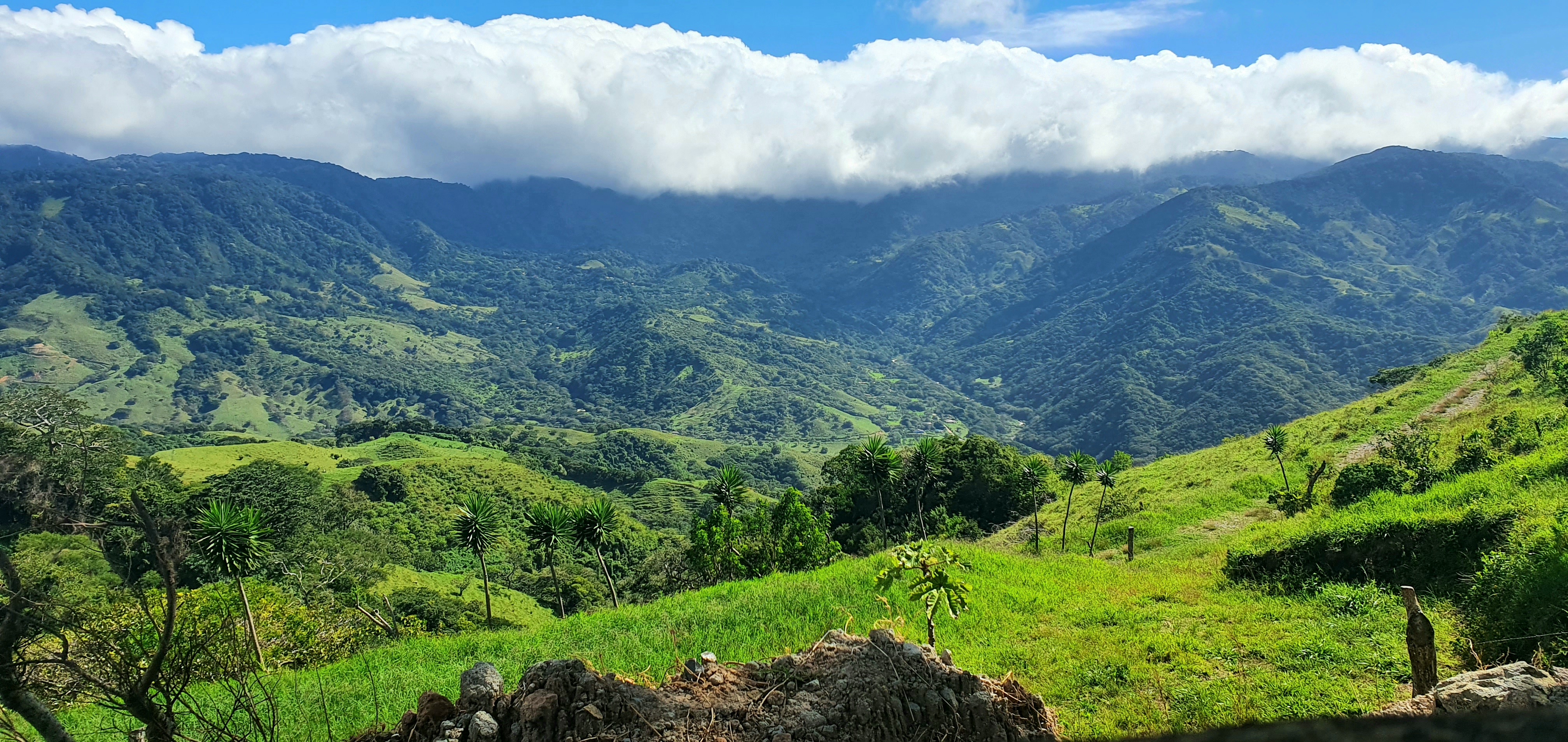
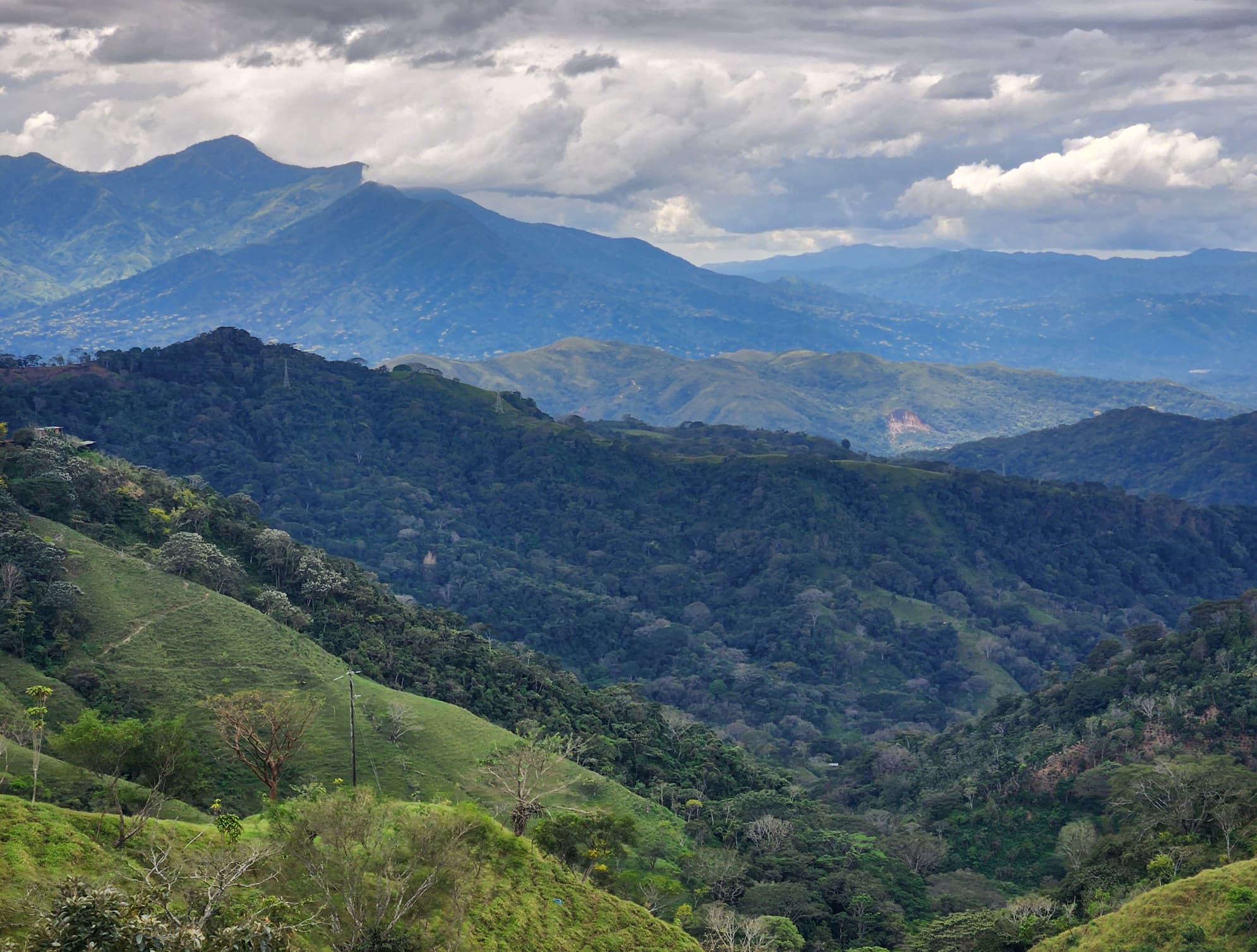
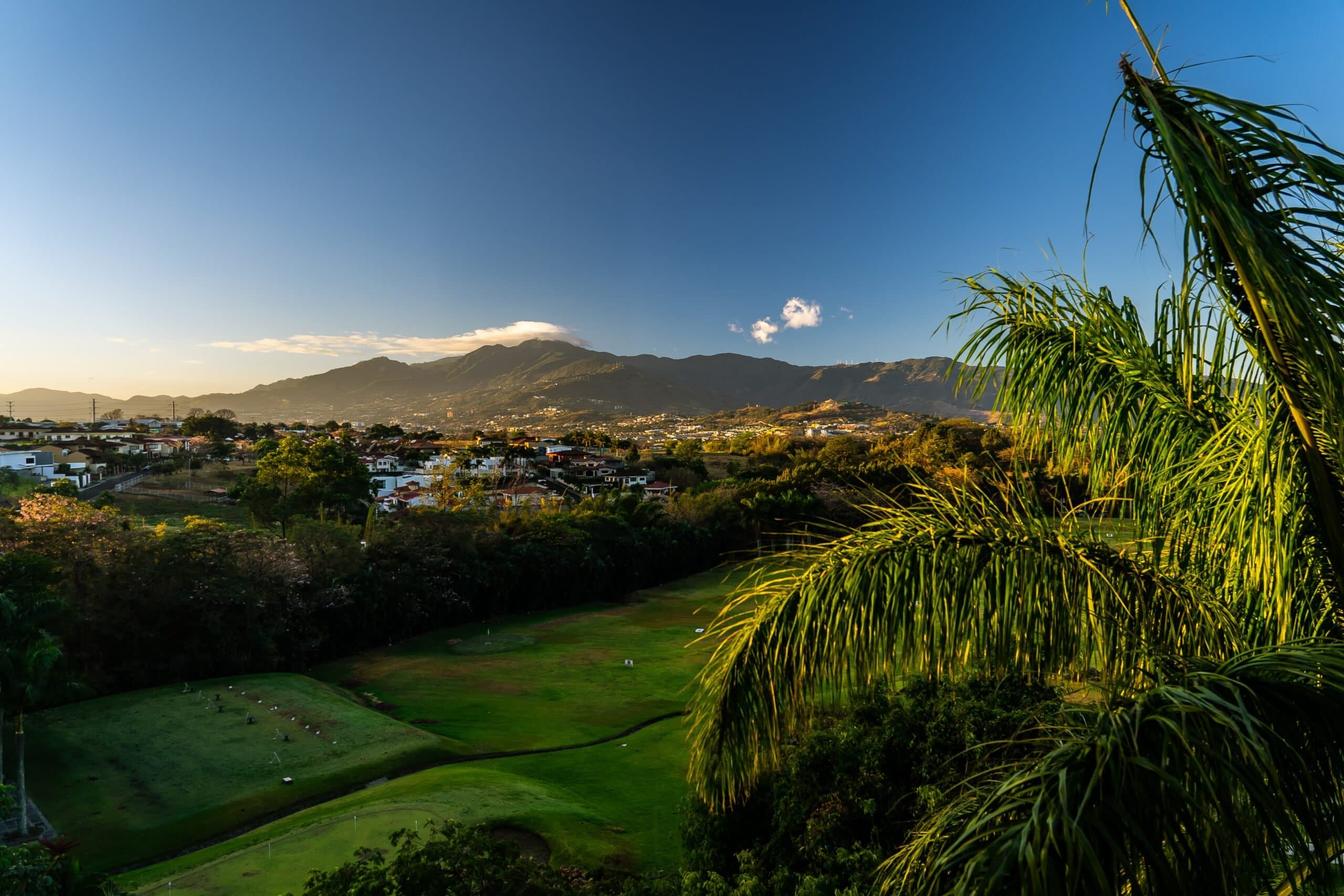
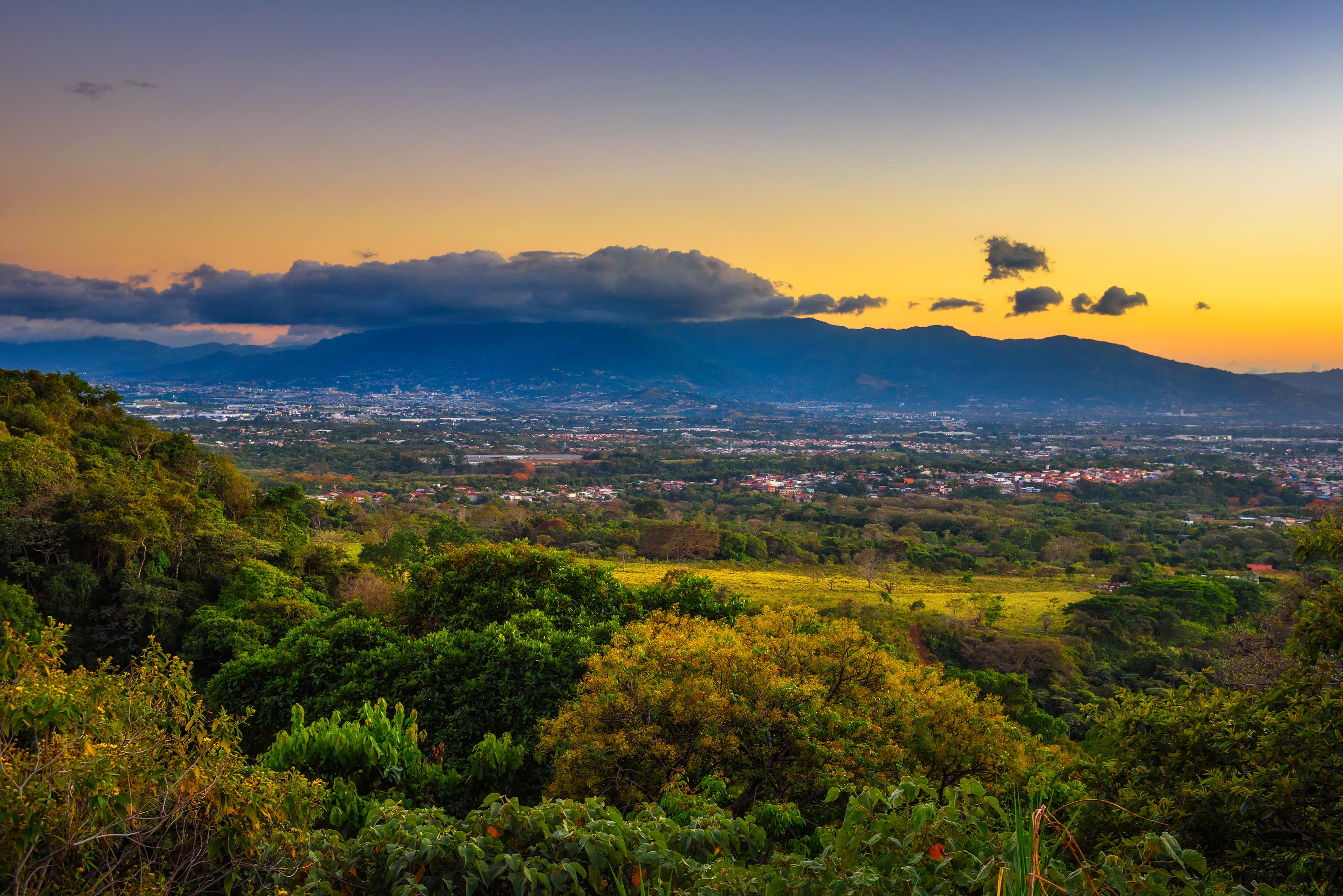
The Central Valley of Costa Rica is a geographic and demographic region of the country. Geographically it is a relatively flat plateau sitting at roughly 1,000 meters (3,200 feet) above sea level and is ringed by majestic volcanic mountain ranges. The region occupies an area of 11,366 km², more than a fifth of the country, and is drained by the Reventazón River to the east and by the Tárcoles River to the west. The region comprises large parts of four provinces: San José, Alajuela (to San Ramón) to the west, Heredia, and Cartago (to Paraiso) to the east and southeast.  To the south, the region is bordered by the Talamanca Range.  And there is a narrow range of “hills” (Carpintera Hills) that further divides the Valley between the Western (Central) Valley and the Eastern Valley (Valle del Guarco).

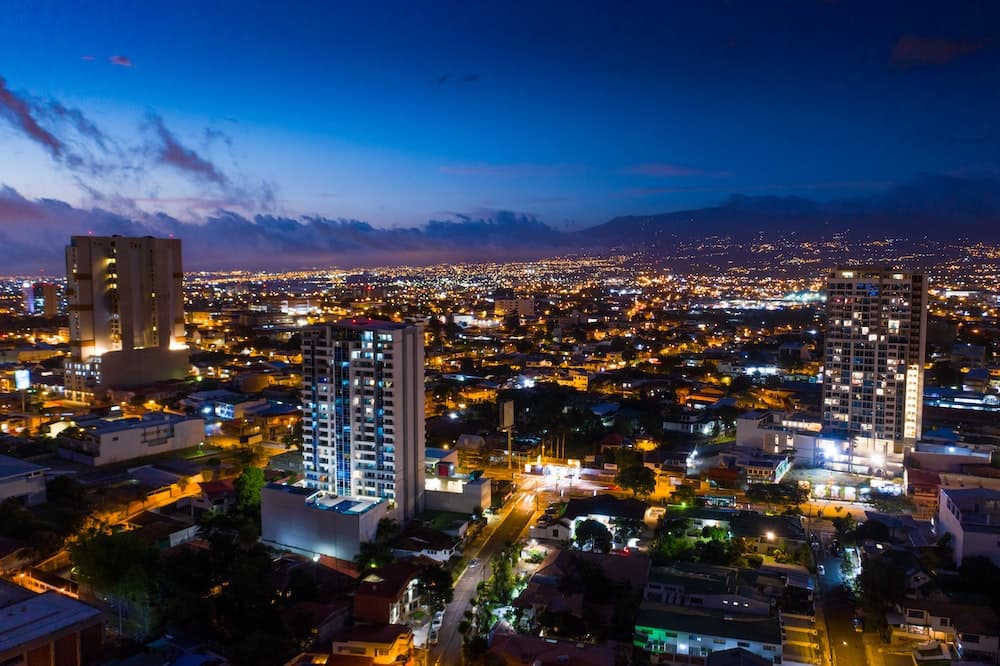
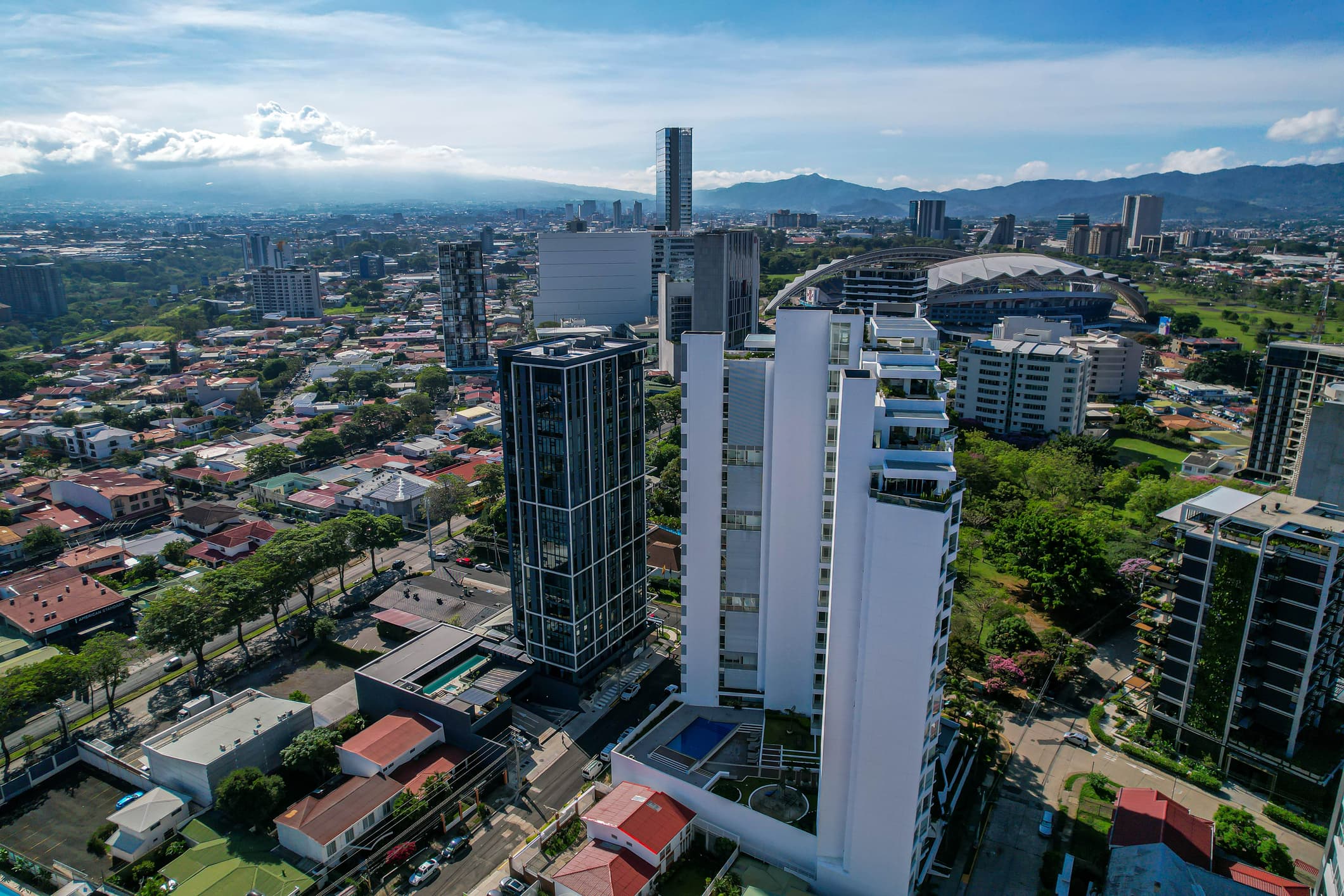
Roughly 70% of the country’s population lives in the Central Valley, which is also known as the Greater Metropolitan Area.  Historical reasons for this population density include topography, climate, and access to farmable land. While the Central Valley does not have any shipping ports, it does boast a significant share of industrial and economic influence, as well as being the seat of government.

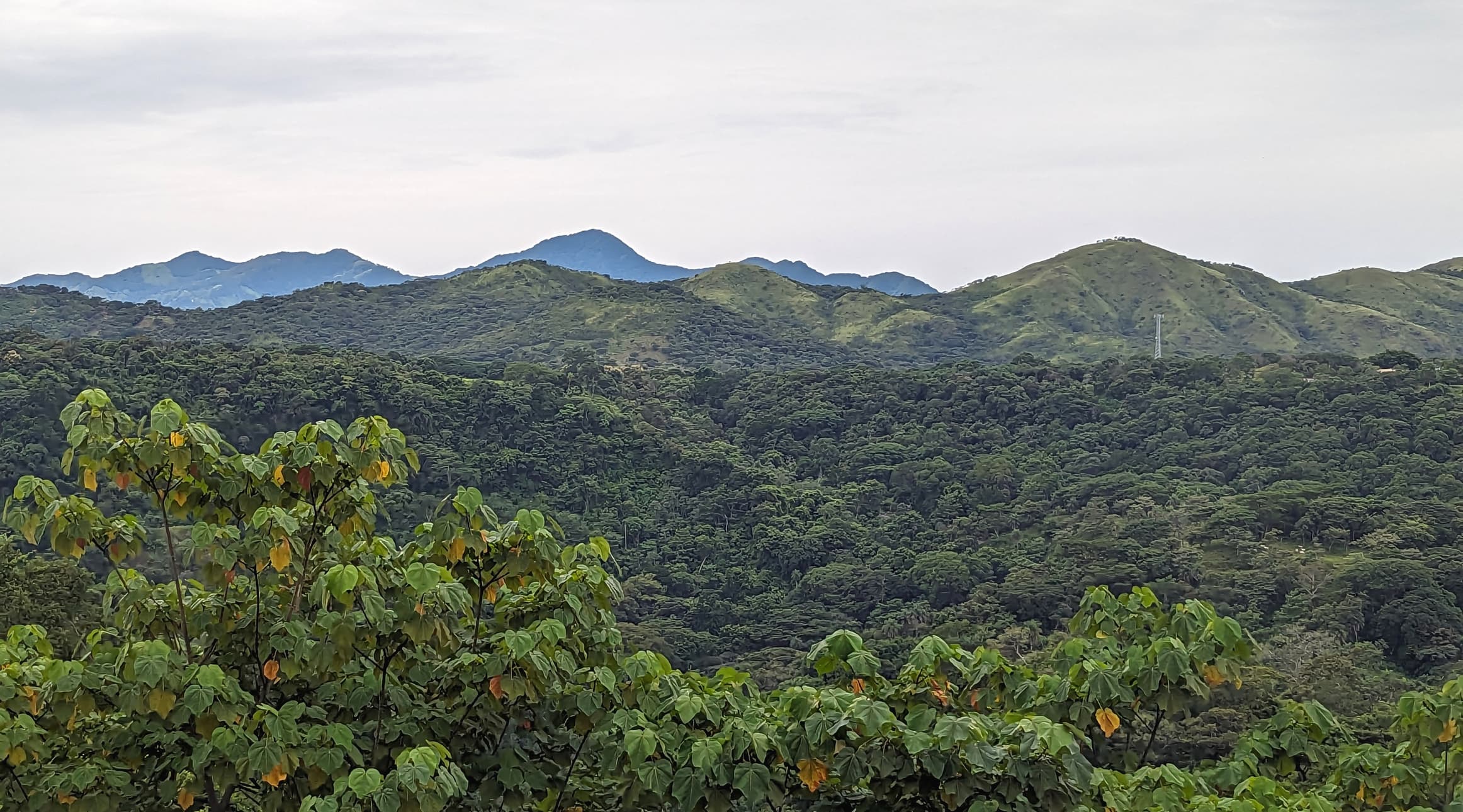
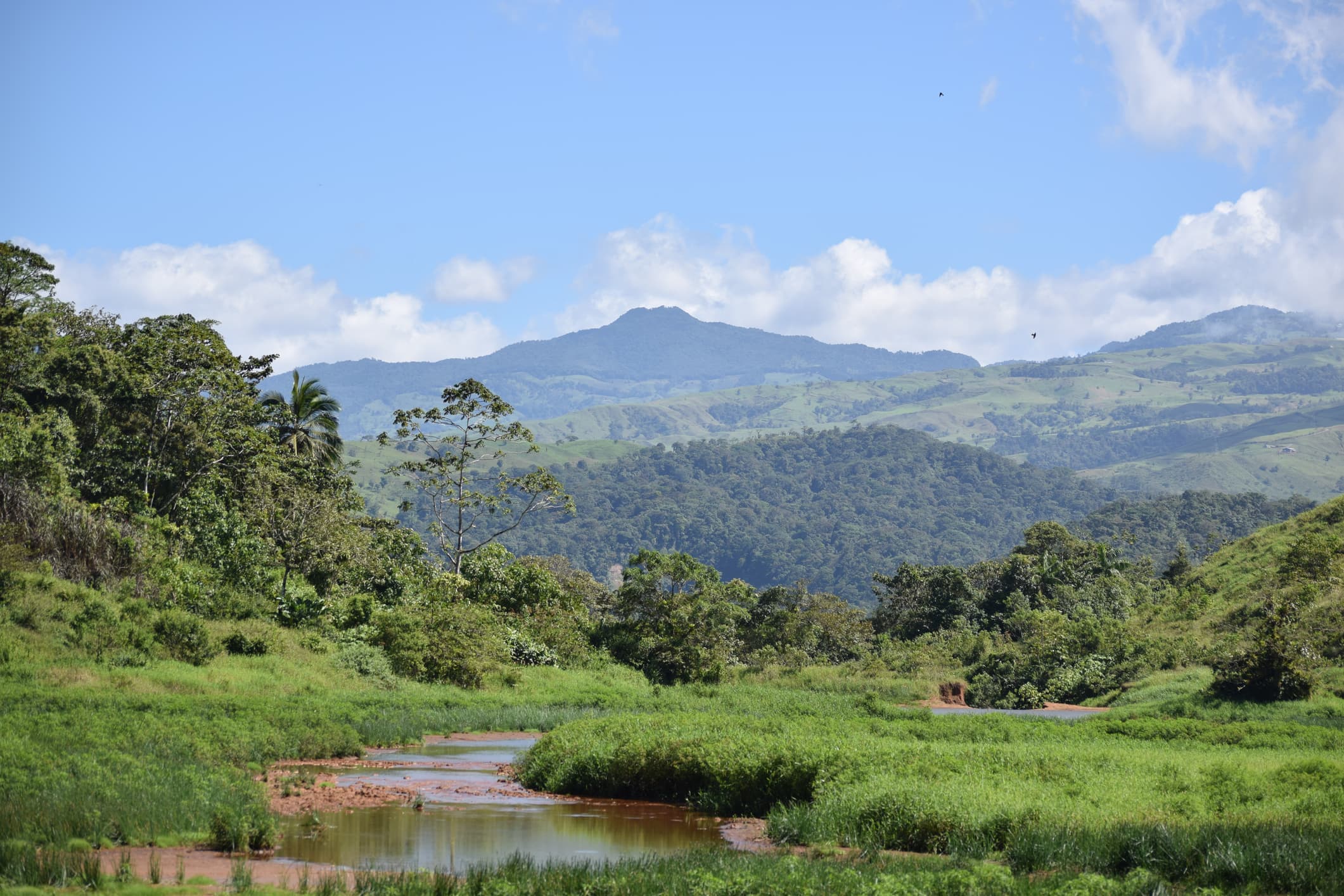
Known for its rich volcanic soils, the Central Valley is filled with plantations and farms, raising everything from coffee and sugar cane to tree fruits, vegetables, and berries.  There are two active volcanoes on the northern edge of the Central Valley: Irazú and Poás – which is also one of the most visited volcanoes in the country.  Two dormant volcanoes are also prominent in the areas: Barva and Turrialba. While the region is heavily populated, there is still a vast amount of unspoiled landscapes, which offer an abundance of habitat for the diverse flora and fauna of the region.

Climate

Costa Rica’s Central Valley is known for its comfortable and consistent climate, with temperatures in the 20s Celsius (70s and 80s Fahrenheit) during the day, and 15 ℃ to 20 ℃ (mid to lower 60s Fahrenheit) at night. Of course, this is a broad statement and there are massive differences across the broad valley. The rainy season is considered to be May through November, with the heaviest rains occurring late August to October. And the dry season (summer) is from December to April. The higher elevations receive significant coastal breezes and average lower temperatures with more low cloud cover. Cooler still in the highest cloud forests.
Towns in Central Valley

Alajuela

Alajuela

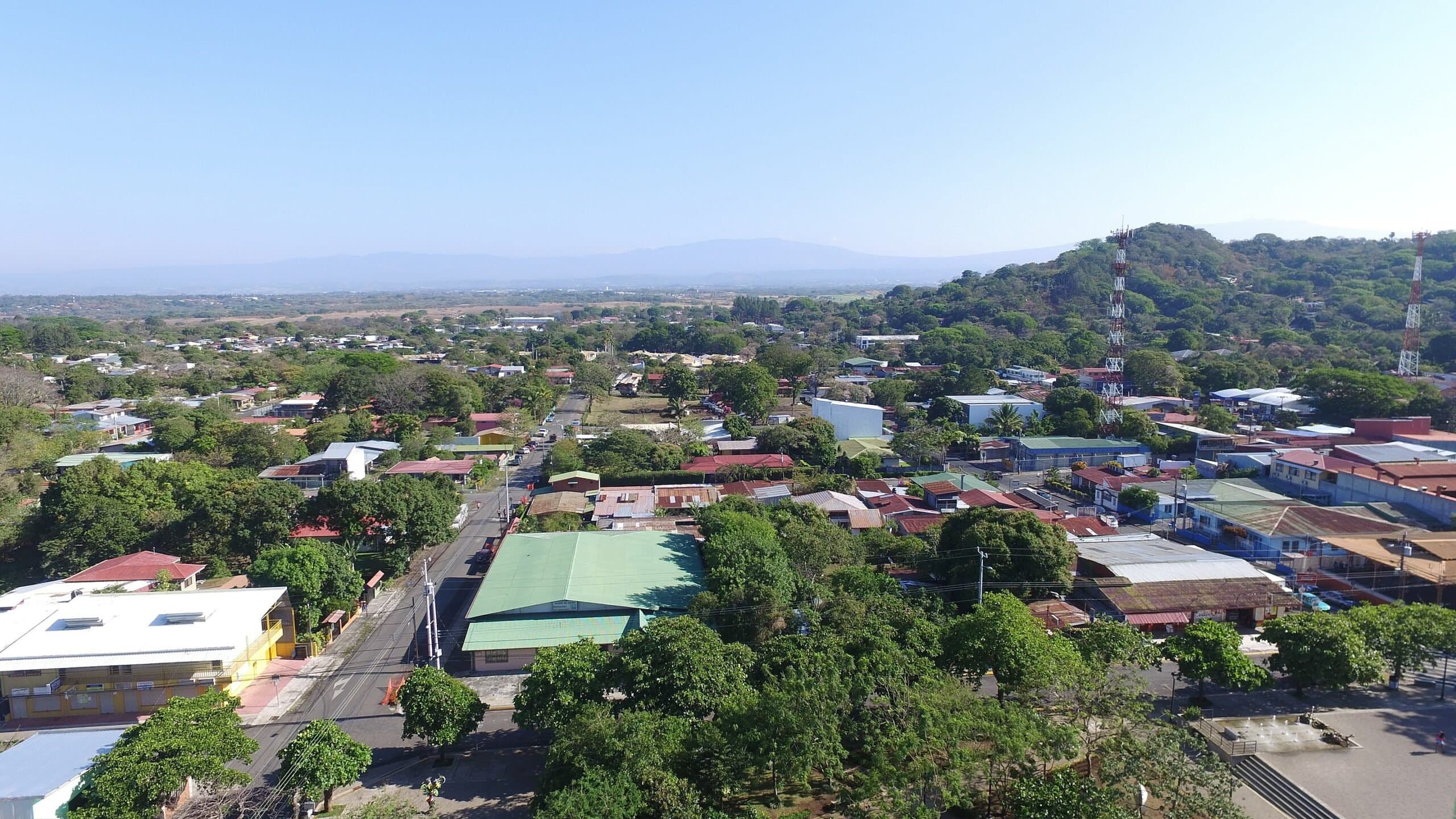
Alajuela is known as Costa Rica's second city, directly beside SJO international airport. Warmer than the western suburbs, mango-tree-lined, with strong local culture and a foreign community drawn by airport proximity and lower costs than Escazú.

Aserrí

Aserrí

Perched in the hills of the San José province, Aserrí, Costa Rica, is a tranquil mountain town with sweeping panoramic views of the Central Valley — and one of the most storied dining traditions in the country.

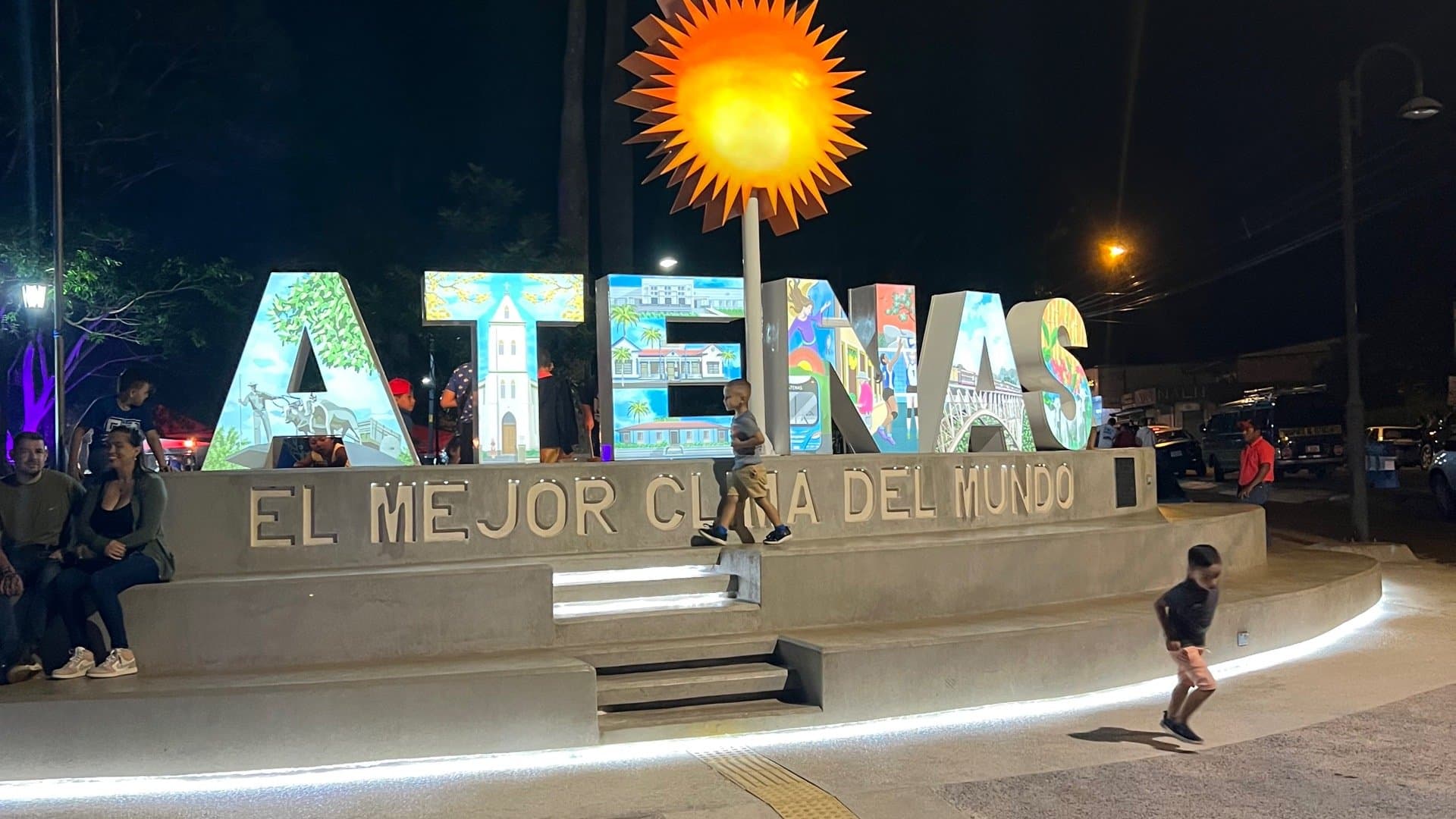
Atenas

Atenas

One of the Central Valley's most celebrated small towns for foreign residents. Consistently recognized for its year-round climate, 45 minutes from SJO, 90 minutes from the Pacific, and a Tico character that has survived its own international fame.

Barrio Escalante

Barrio Escalante

Barrio Escalante, Costa Rica, the most celebrated neighborhood in San José, is the gastronomic, creative, and cultural capital of the city — a pocket of converted colonial homes, Instagrammable murals, craft breweries, specialty coffee bars, and a restaurant density that Time Out magazine has ranked among the coolest in the world.

Barrios Amón and Otoya

Barrios Amón and Otoya

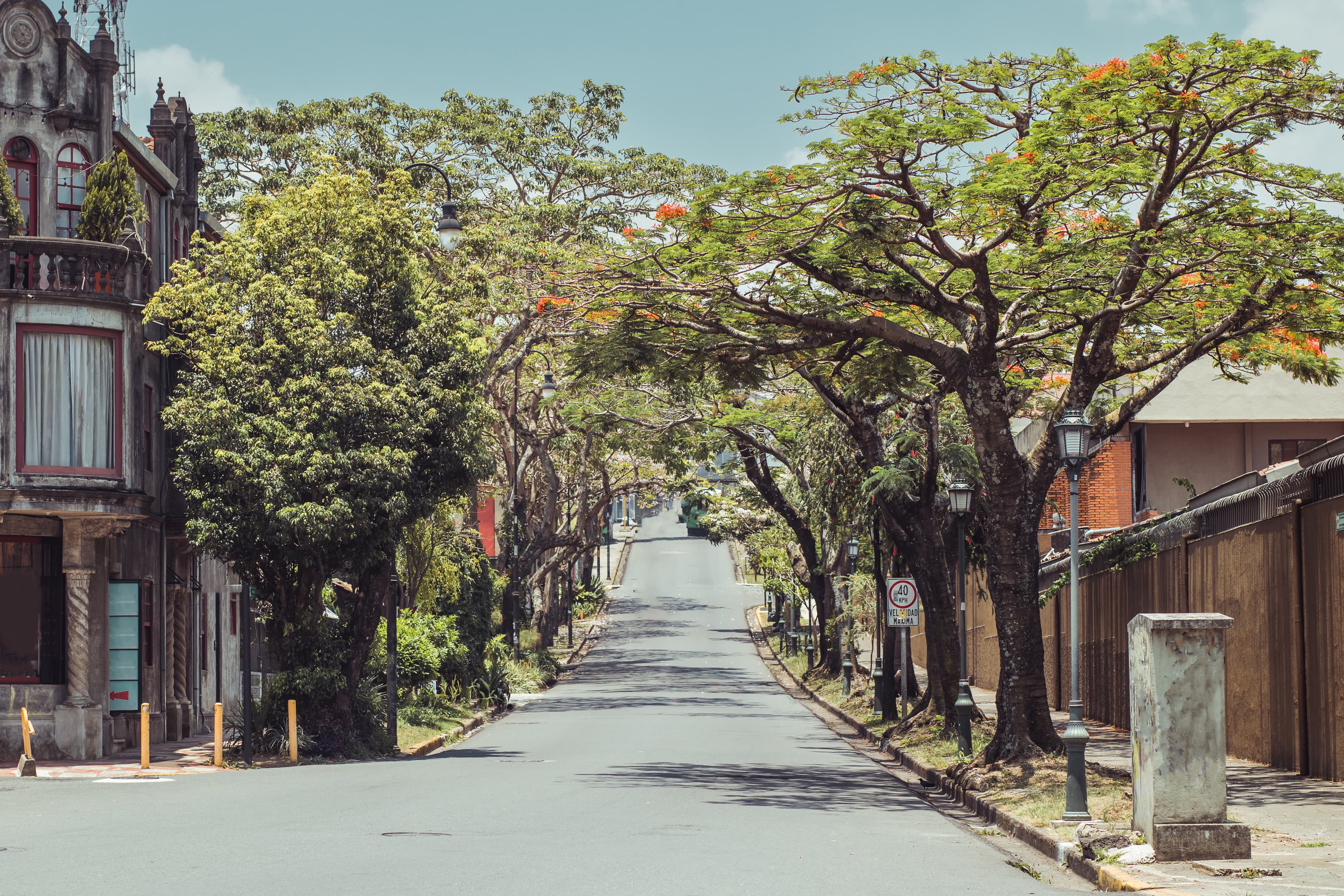
Barrios Amón and Otoya, San José, Costa Rica, the twin historic districts in the northern hills above the capital's center, are San José's best-kept architectural secret — a walkable, café-lined maze of neo-Victorian tropical mansions, Mudéjar castles, art deco concrete manses, and century-old cafetalero estates that were built by Costa Rica's 19th-century coffee aristocracy and are now experiencing one of the city's most interesting second acts.

Barva

Barva

Barva, Costa Rica, the second canton of Heredia Province, is one of the most authentically preserved colonial towns in the Central Valley — a place of adobe houses, centuries-old churches, coffee-carpeted hillsides, and a climate cool enough for sweaters in the evening, positioned at the edge of a dormant volcano that forms the northern anchor of one of Costa Rica's most spectacular green corridors.

Belén

Belén

Belén is a well-connected suburb between SJO and Escazú, home to multinational technology companies, international schools, and a foreign community that values logistics over prestige. Practical, efficient, and consistently underrated.

Ciudad Colón

Ciudad Colón

A quieter, more affordable western suburb anchored by the United Nations University for Peace, Ciudad Colón is 15 minutes from Santa Ana and Escazú, and a step down in cost from the western corridor's premium communities.

Curridabat

Curridabat

Curridabat, Costa Rica (also called "Curri" by locals) is San José's underrated eastern alternative. Educated, restaurant-rich, adjacent to the UCR corridor, with real estate running 10–30% below comparable Escazú properties and strong appreciation potential.

Escazú

Escazú

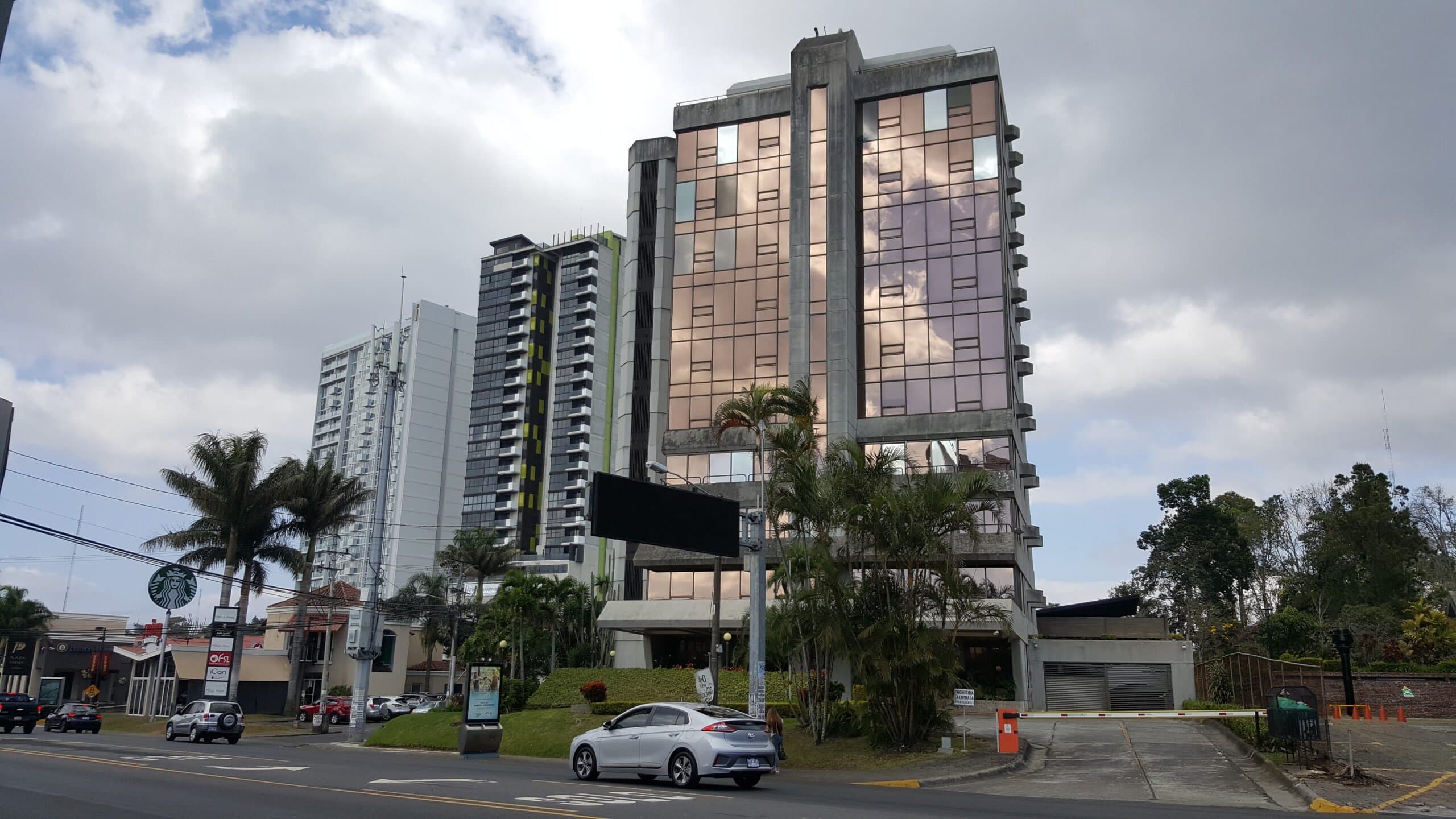
Costa Rica's most internationally recognized address, Escazú, Costa Rica, is often referred to as the country's "Beverly Hills”. Hospital CIMA, Multiplaza, the densest concentration of international schools and gourmet restaurants in the country, the US Embassy nearby — and real estate prices that reflect it all.

Grecia

Grecia

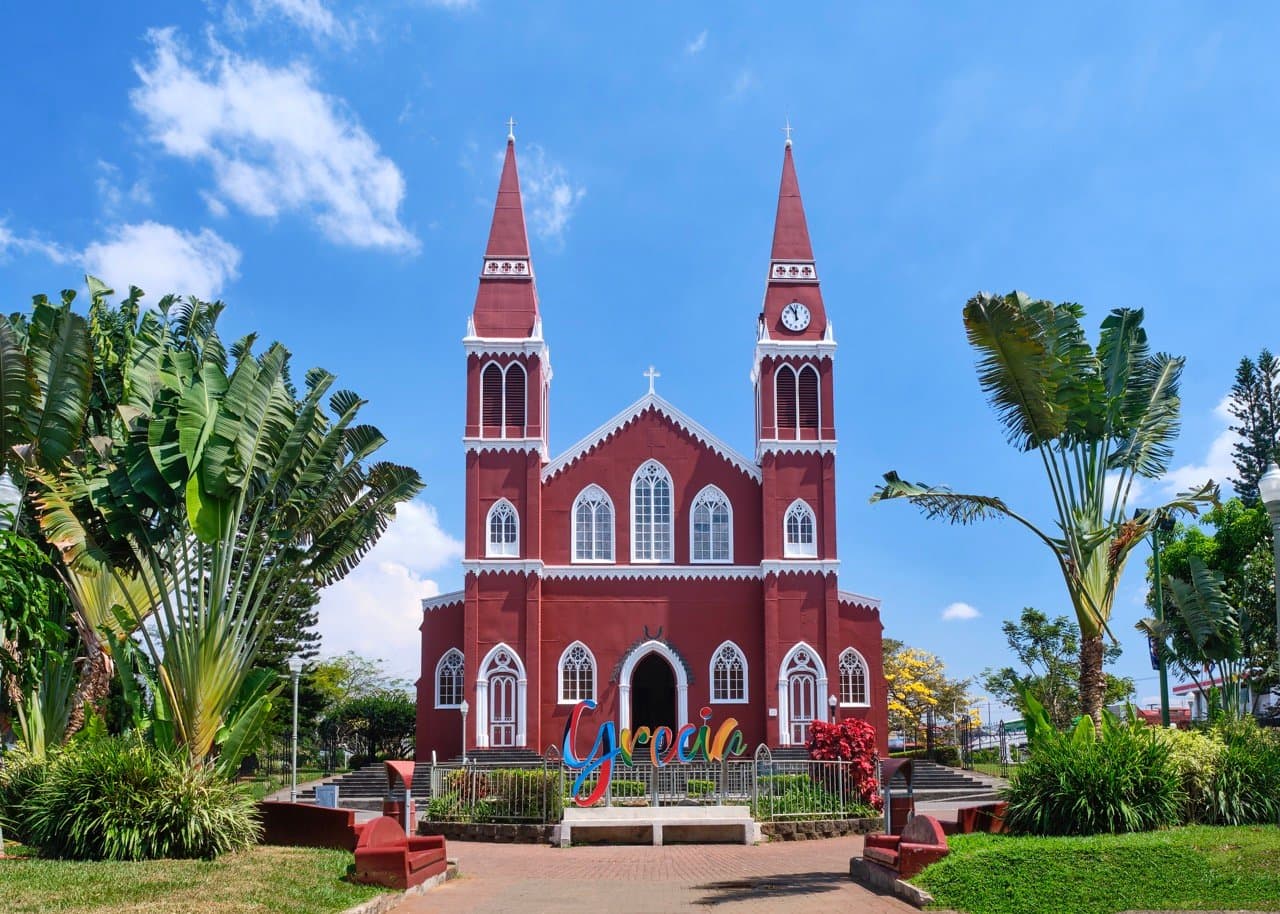
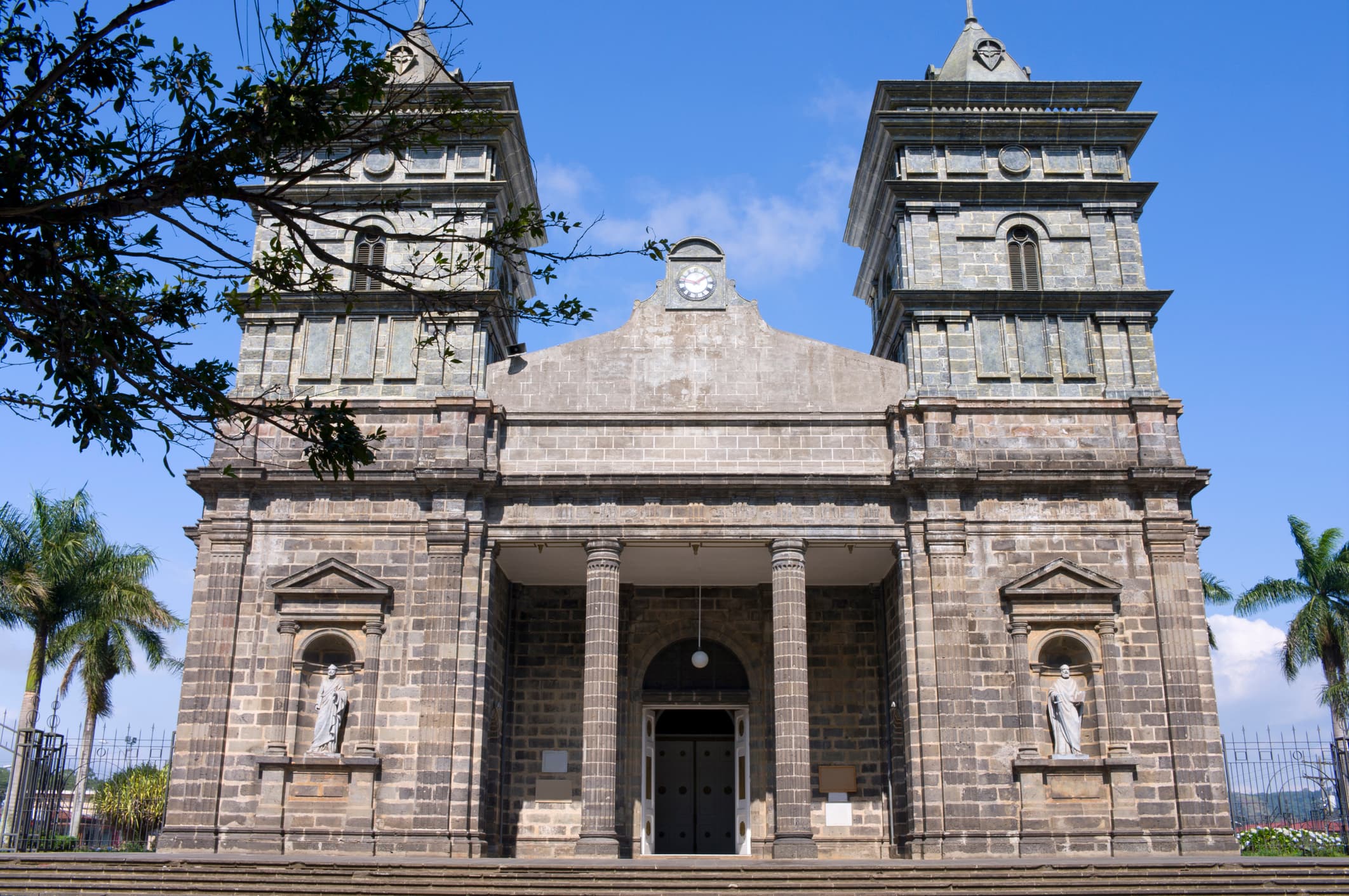
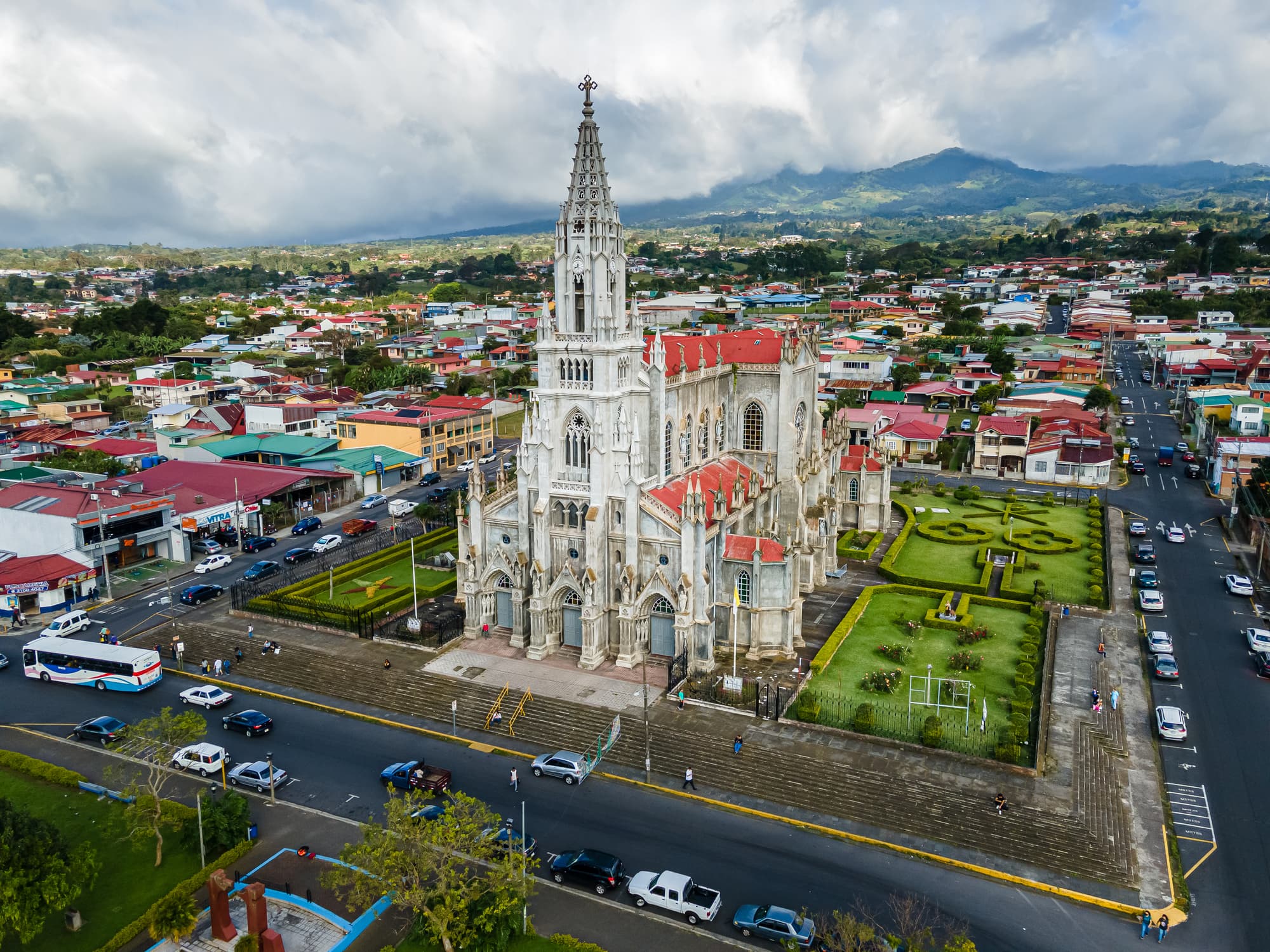
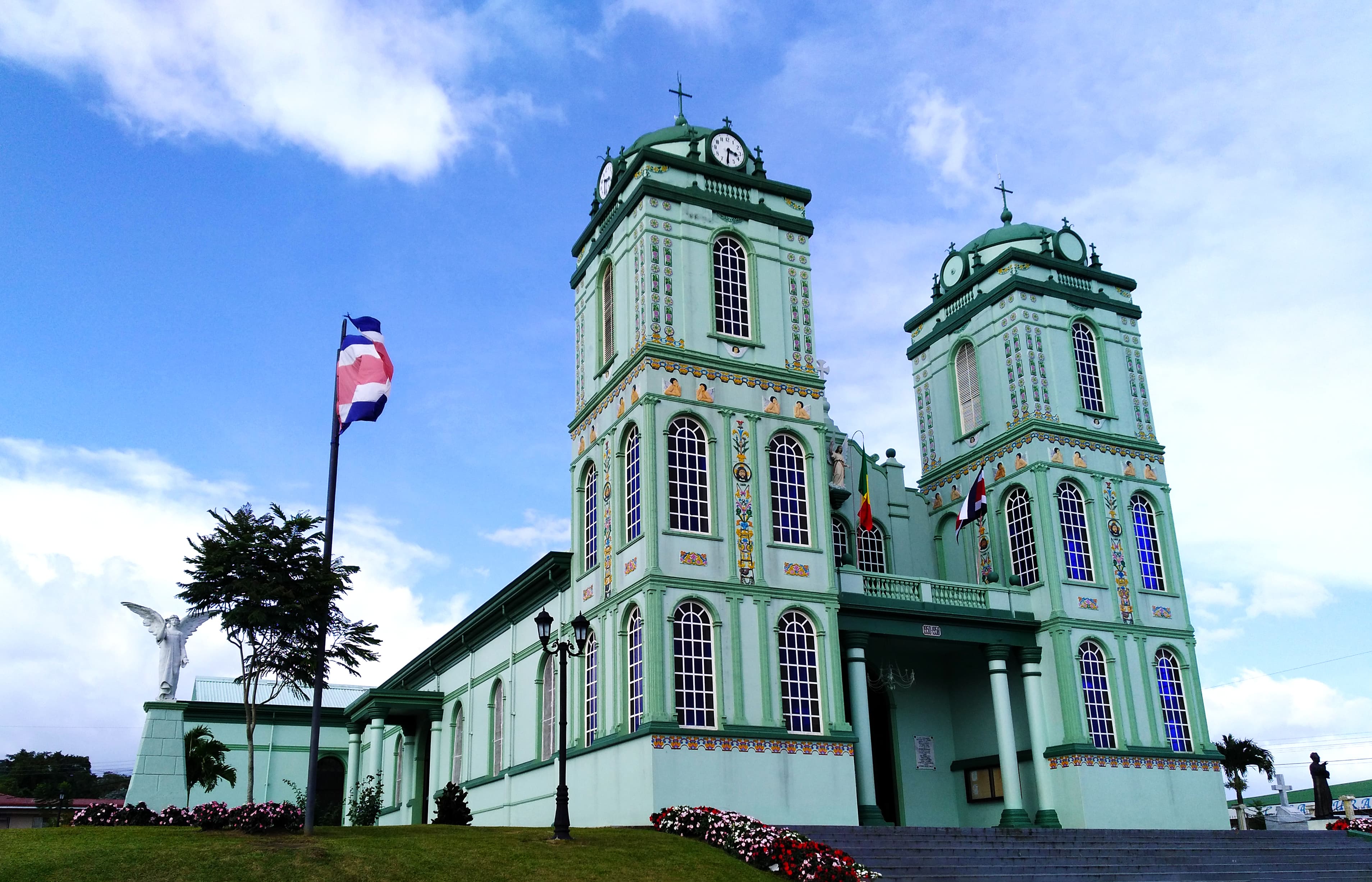
Grecia is often referred to as the Central Valley's most beloved small city. A rolling-hills market town with an iconic red metal cathedral, excellent climate, walkable downtown, solid services, and a long-established foreign community that chose authenticity over the better-known alternatives.

Heredia

Heredia

The "City of Flowers," 10km north of San José. A real provincial capital with National University energy, a multinational technology industry cluster, excellent colonial architecture, and a foreign community that wants urban life at moderate cost.

La Garita

La Garita

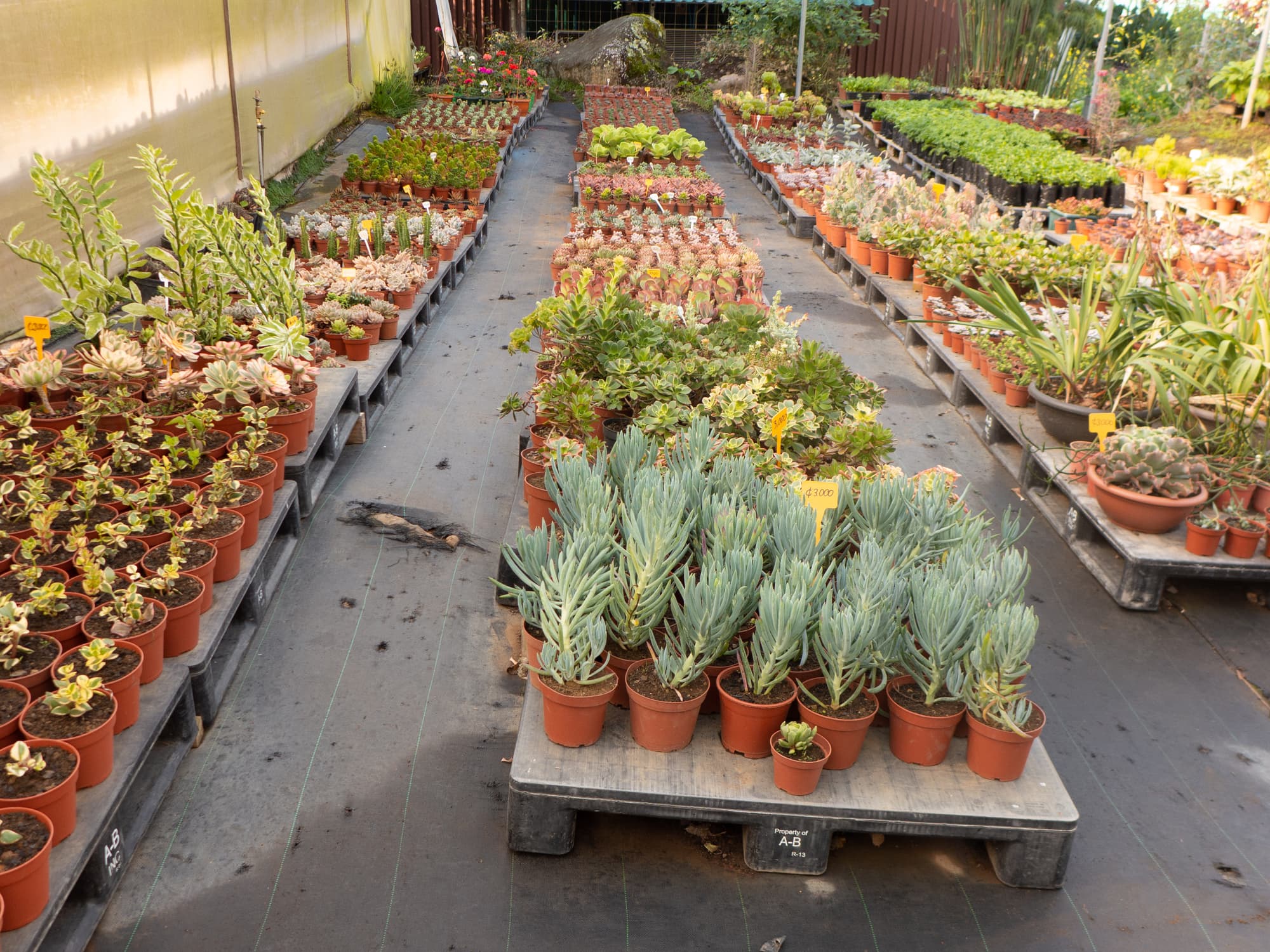
La Garita is the Central Valley's plant nursery belt, between SJO and Atenas. Small, warm, agricultural, and quiet — chosen by foreign residents who want privacy, easy airport access, and gardens, without any expat-community social overhead.

La Guácima

La Guácima

A tranquil residential district in western Alajuela Province, La Guácima has transformed from a quiet agricultural community into one of the Central Valley's most sought-after addresses for upper-middle-class families and foreign residents seeking upscale gated community living, equestrian culture, and easy access to both the airport and San José.

Lindora

Lindora

Lindora, Costa Rica, a polished, self-contained commercial and residential zone in the western sector of Santa Ana, has emerged as one of the Central Valley's most strategically positioned upscale communities — a strip-mall-and-gated-community corridor where premium real estate, international shopping, top private hospitals, excellent schools, and easy beach access converge in a landscape that has more in common with a prosperous North American suburb than with traditional Tico life.

Los Yoses

Los Yoses

One of the capital's most established upper-middle-class residential neighborhoods, Los Yoses is the quiet diplomatic corridor of the city — a tree-lined, residential east-side district full of embassies, cultural centers, good restaurants, and the kind of graceful older homes and tree-shaded streets that are increasingly rare in a Central Valley consuming itself with condominiums. Positioned as the elegant bridge between Barrio Escalante's restaurant scene to the west and the university energy of San Pedro to the east, it attracts the international community that wants urban San José living with a residential rather than commercial identity.

Naranjo

Naranjo

Naranjo, Costa Rica, a proud agricultural town in the western Central Valley's coffee heartland, is one of the most acclaimed coffee-growing communities in the country — a place where Cup of Excellence-winning beans grow at high elevation in rich volcanic soil, and where the rhythms of daily Tico life play out at a pace that feels refreshingly unaffected by the capital's expansion.

Orotina

Orotina

Orotina, Costa Rica, a warm, low-elevation agricultural town at the western mouth of the Central Valley, is one of Costa Rica's most beloved fruit towns — the National Fruit Festival capital, a gateway to the Central Pacific coast, and one of the few communities in Alajuela Province where the elevation drops enough to grow tropicals like mangoes, papayas, and star fruit alongside the highland staples of the valley above.

Palmares

Palmares

Palmares, Costa Rica, the smallest canton in Alajuela Province, is nationally famous for one thing above all others: the Fiestas Cívicas de Palmares — the largest mass public event in the country, drawing over one million visitors over two weeks every January. The rest of the year, it is a warm, traditional, coffee-growing community in the western Central Valley with a deep sense of civic pride and a friendly, unhurried pace of life.

Puriscal

Puriscal

Santiago de Puriscal, Costa Rica, the heart of the Puriscal canton, is a compact mountain town perched in the coastal range southwest of San José — a quiet, deeply Tico community that is quietly becoming one of Costa Rica's most watched emerging destinations for expats and investors alike.

Rohrmoser and Nunciatura

Rohrmoser and Nunciatura

San José's most prestigious residential corridor, Rohrmoser and Nunciatura are where tree-lined boulevards, world-class restaurants, diplomatic residences, and Costa Rica's largest urban park converge into one of the country's most coveted urban addresses.

San José

San José

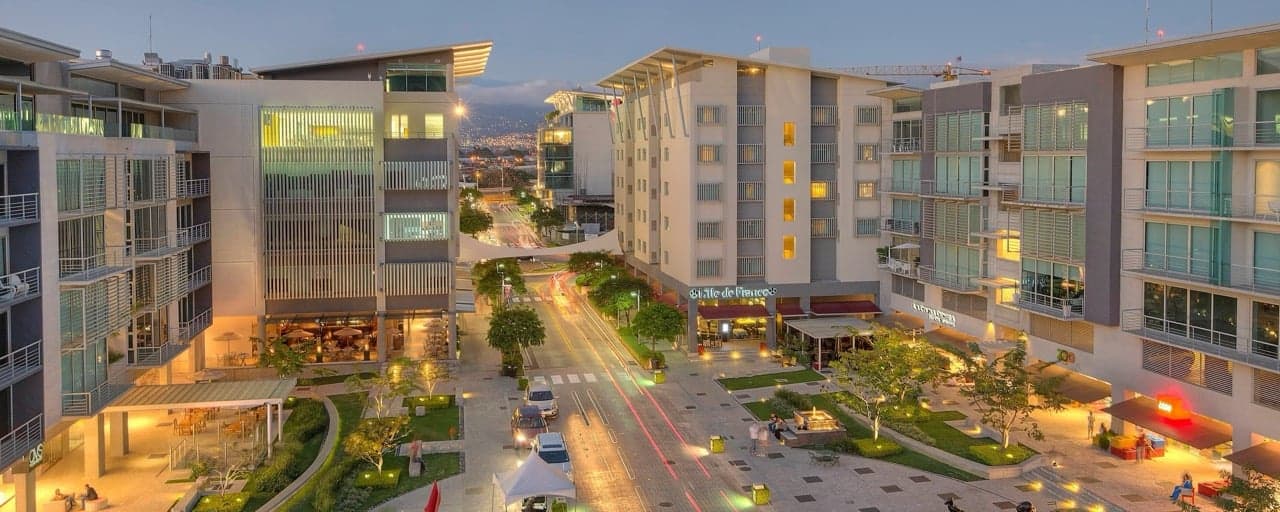
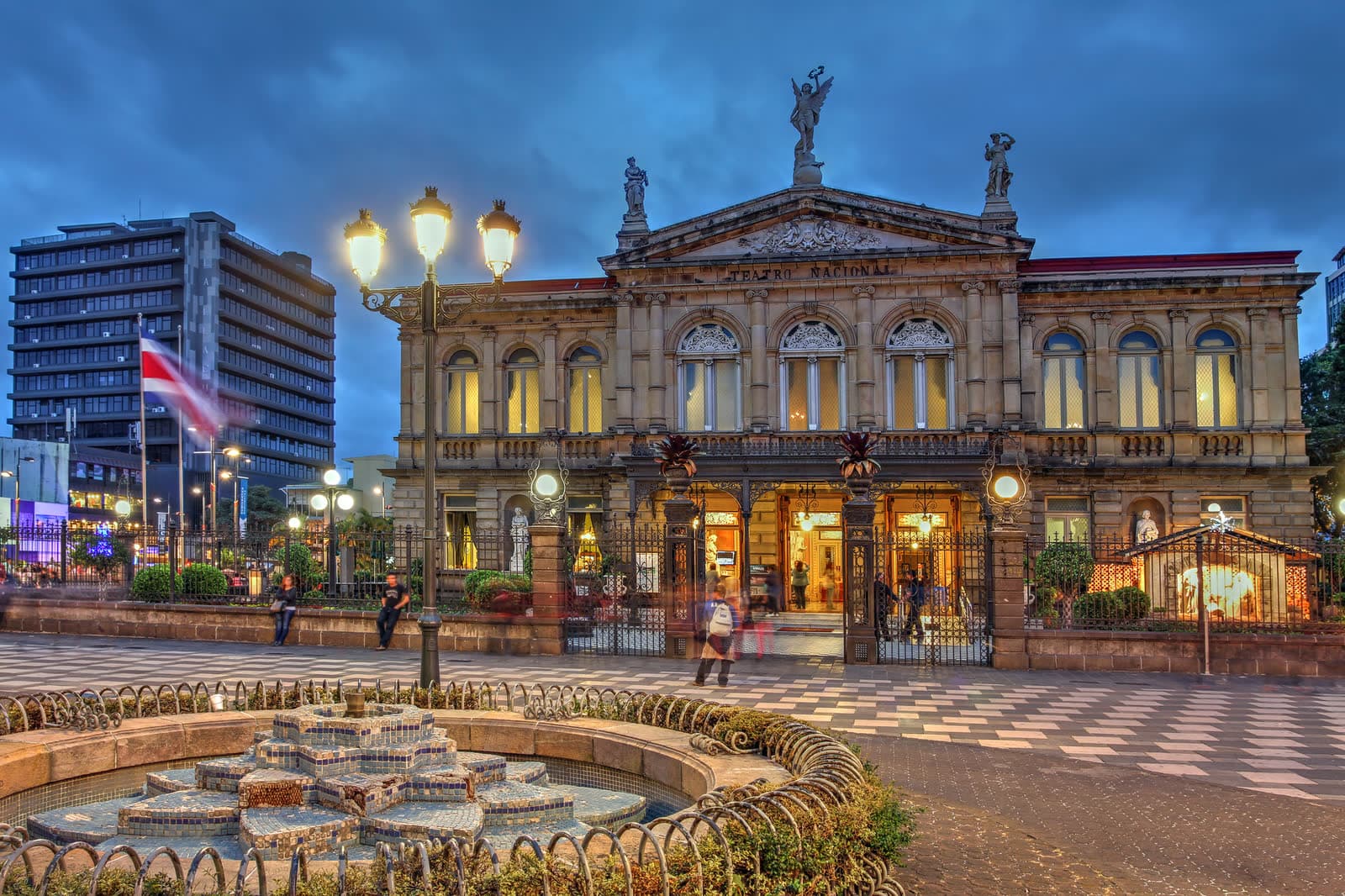
San José, Costa Rica's capital city. The country's urban, cultural, and economic heart — best experienced from the right neighborhoods rather than the congested city center. Not for everyone, essential for everyone.

San Mateo

San Mateo

San Mateo, Costa Rica, one of the smallest and most rural cantons in Alajuela Province, is a quietly compelling community for those drawn to authentic Tico country life, historical significance as a former Camino Real waystation, and extraordinary proximity to both the Pacific coast and San José — without any of the tourist infrastructure that tends to follow those advantages elsewhere.

San Pedro

San Pedro

The academic heart of the Greater Metropolitan Area, San Pedro is a dynamic, walkable, and intellectually energetic city anchored by the Universidad de Costa Rica — the largest and most prestigious public university in Central America — and defined by the youthful, culturally diverse character that more than 45,000 students and several additional universities bring to its streets every day.

San Ramón

San Ramón

The Central Valley's presidential city — more Costa Rican heads of state have come from here than anywhere else in the country. A genuine mid-sized market town with coffee country surroundings, a university, excellent climate, and a foreign community that chose local character over expat infrastructure.

Santa Ana

Santa Ana

Santa Ana, Costa Rica, aka: the "Valley of the Sun," is Escazú's warmer and more relaxed neighbor. Same western corridor service infrastructure — international schools, private hospitals, gourmet shopping — at meaningfully lower real estate costs and a more residential character.

Sarchí

Sarchí

The artisan capital of the country and the birthplace of the hand-painted oxcart tradition, Sarchí is a mountainside craft community in the western Central Valley whose 200 woodworking factories and souvenir shops, world-record-holding oxcart, UNESCO-recognized cultural heritage, and remarkable botanical garden make it one of the most distinctive small towns in the country.

Tres Ríos

Tres Ríos

Tres Ríos, Costa Rica, the compact capital of the La Unión canton, sits at an enviable crossroads between San José and Cartago — a quietly charming town with deep coffee heritage, a growing suburban energy, and one of the most celebrated train commutes in the country.

Could Central Valley be your place?

Take our quiz and get a personalized starting point for your move to Costa Rica.

Build My Custom Action Plan