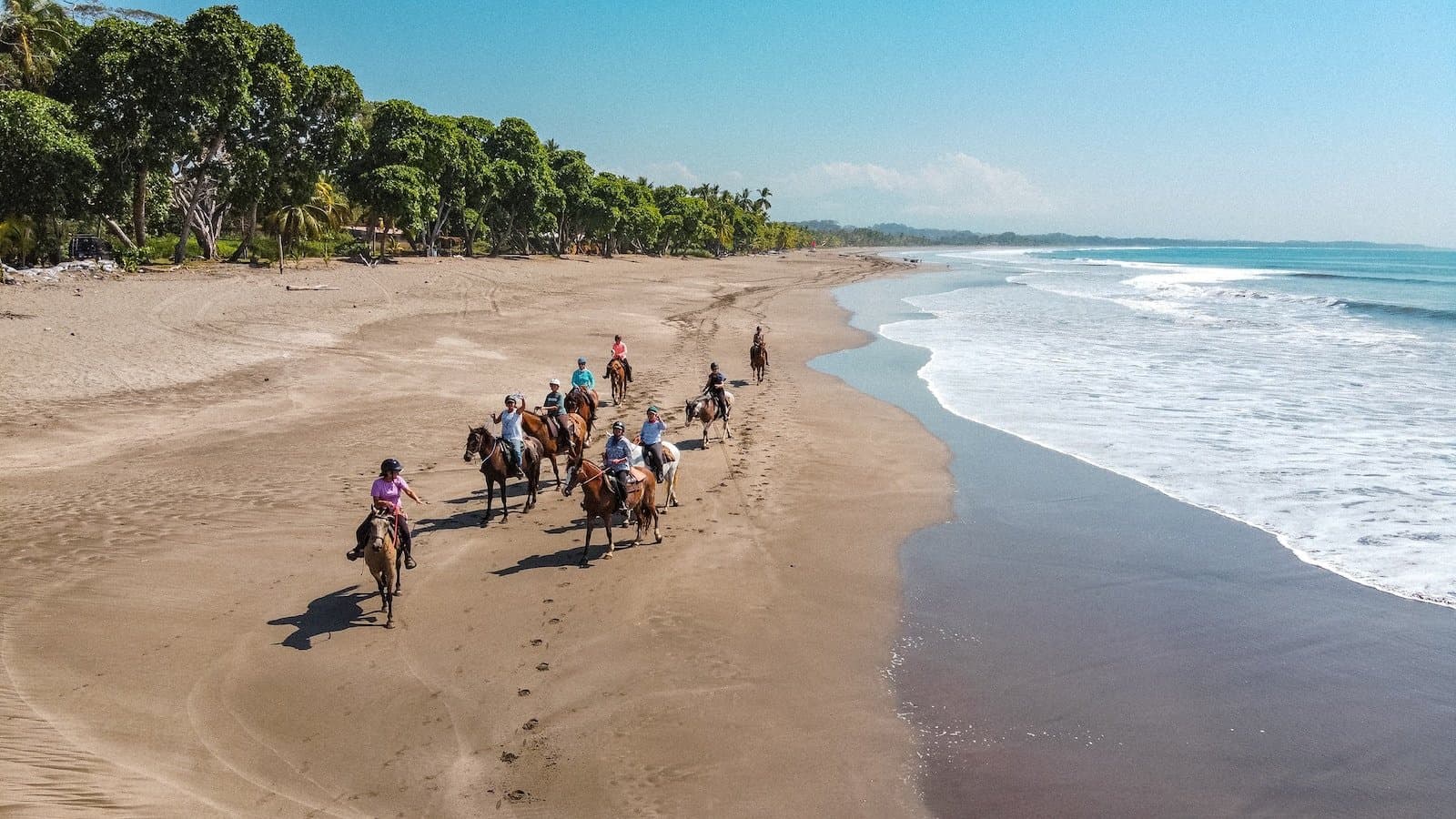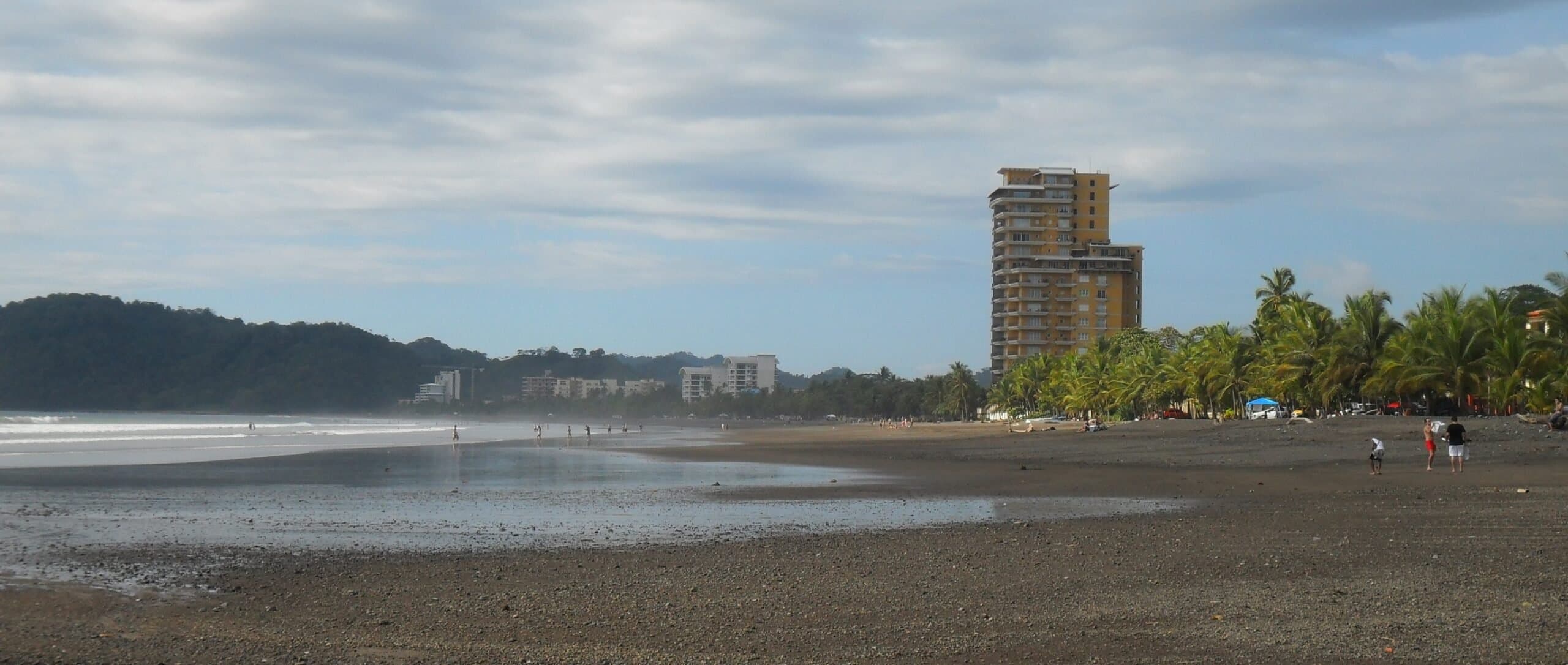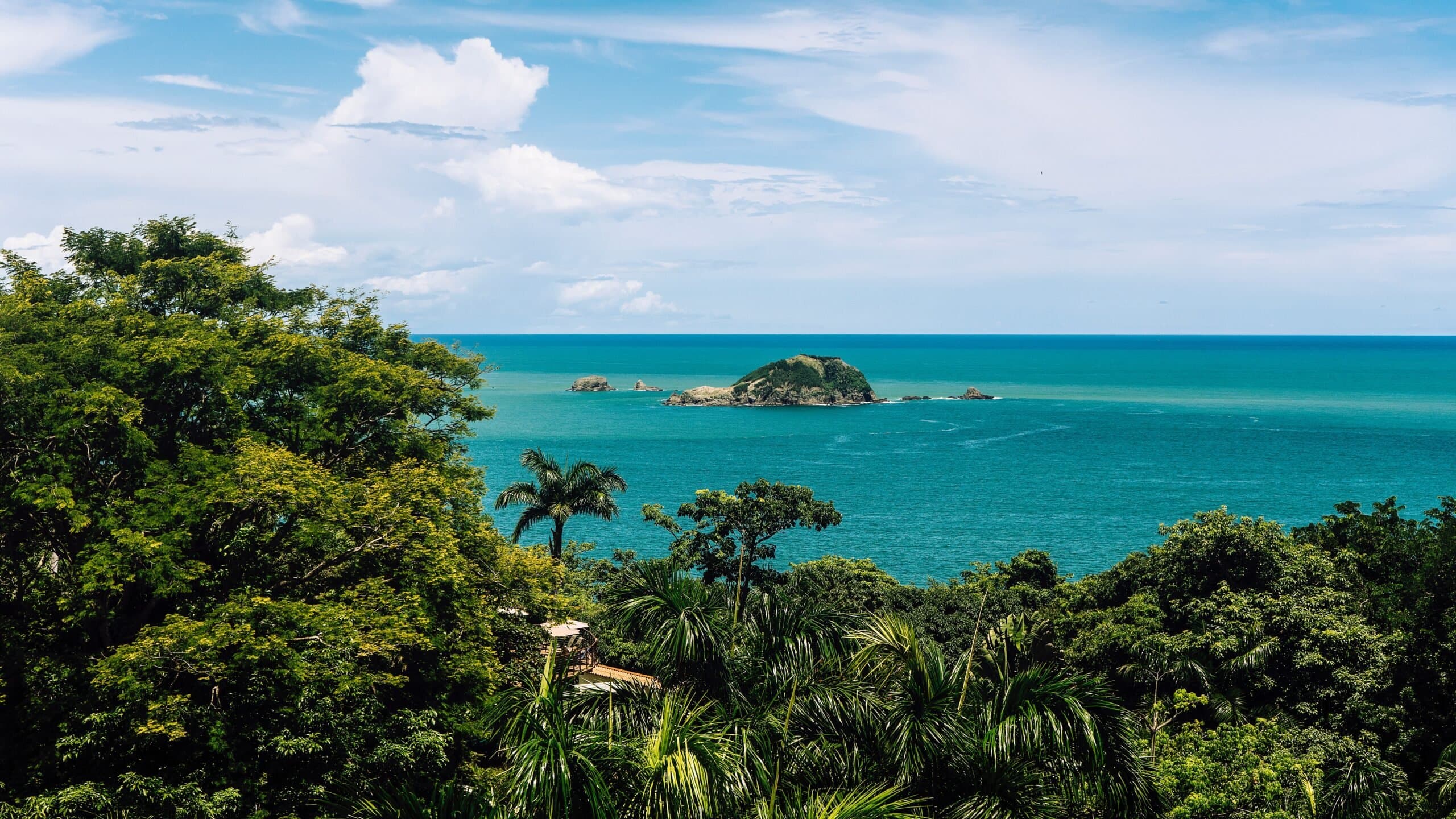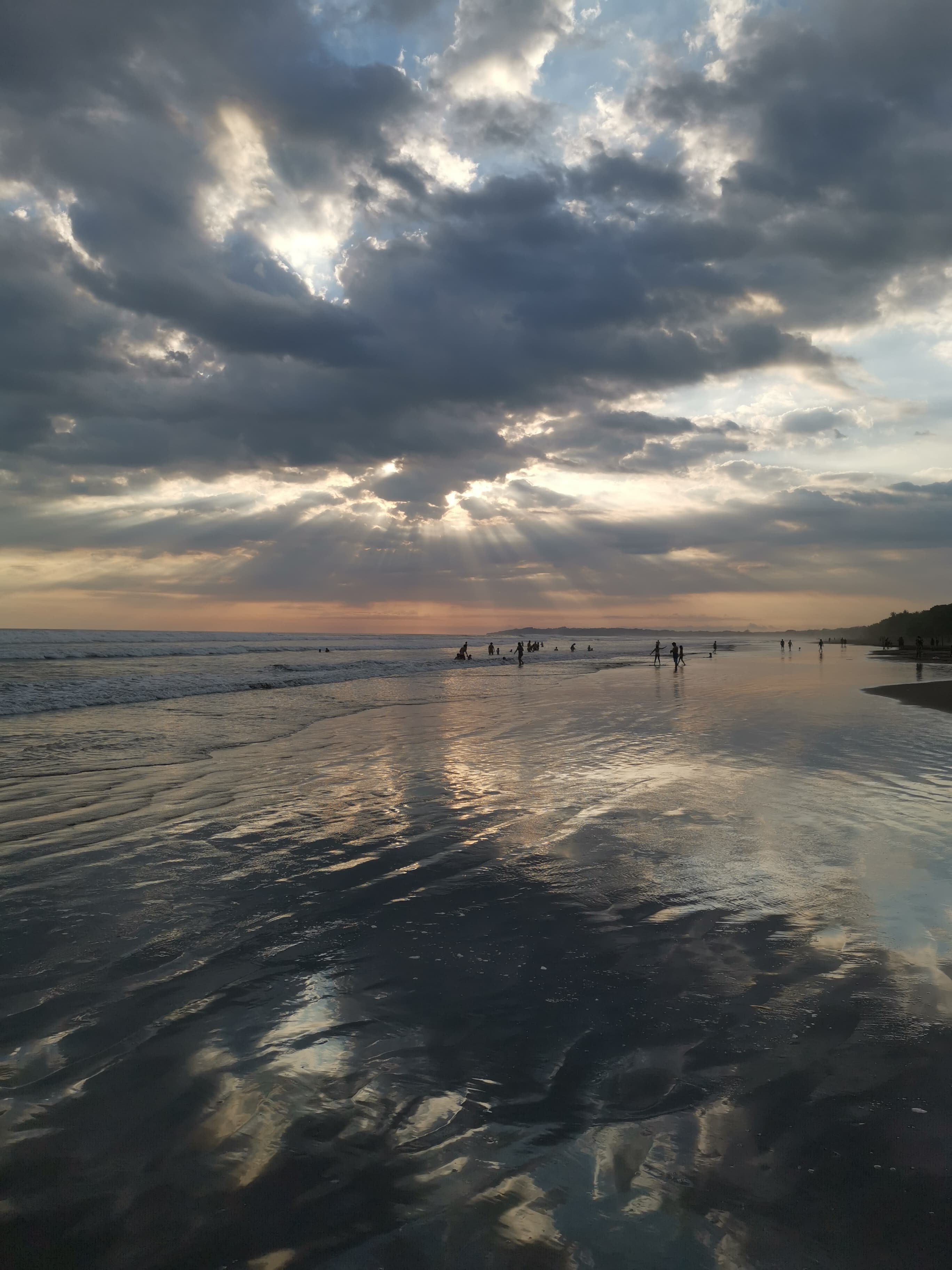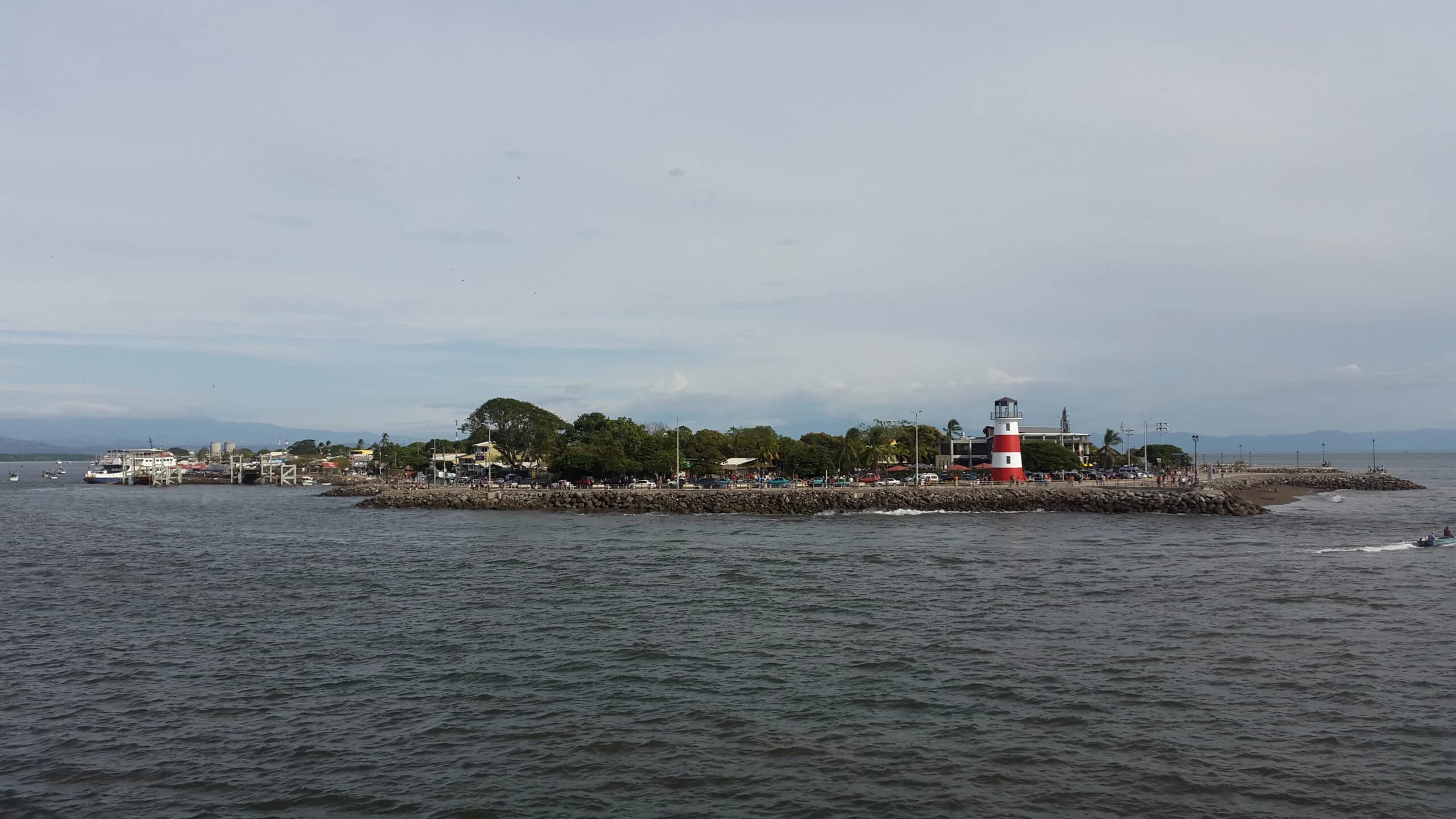
The Central Pacific region of Costa Rica spans along the central areas of the country’s Pacific coast, primarily in the Puntarenas province. The region starts at the port city of Puntarenas to the north, passes through beach towns, lowland farms, and palm plantations, and ends at the southern towns of Manuel Antonio and Quepos.
While the Central Pacific’s communities are primarily based near the ocean, to some the region also encompasses the highest mountain in Costa Rica: Mount Chirripó. The areas below the mountain range include a large number of holistic and spiritual retreat centers, as well as large agricultural zones.
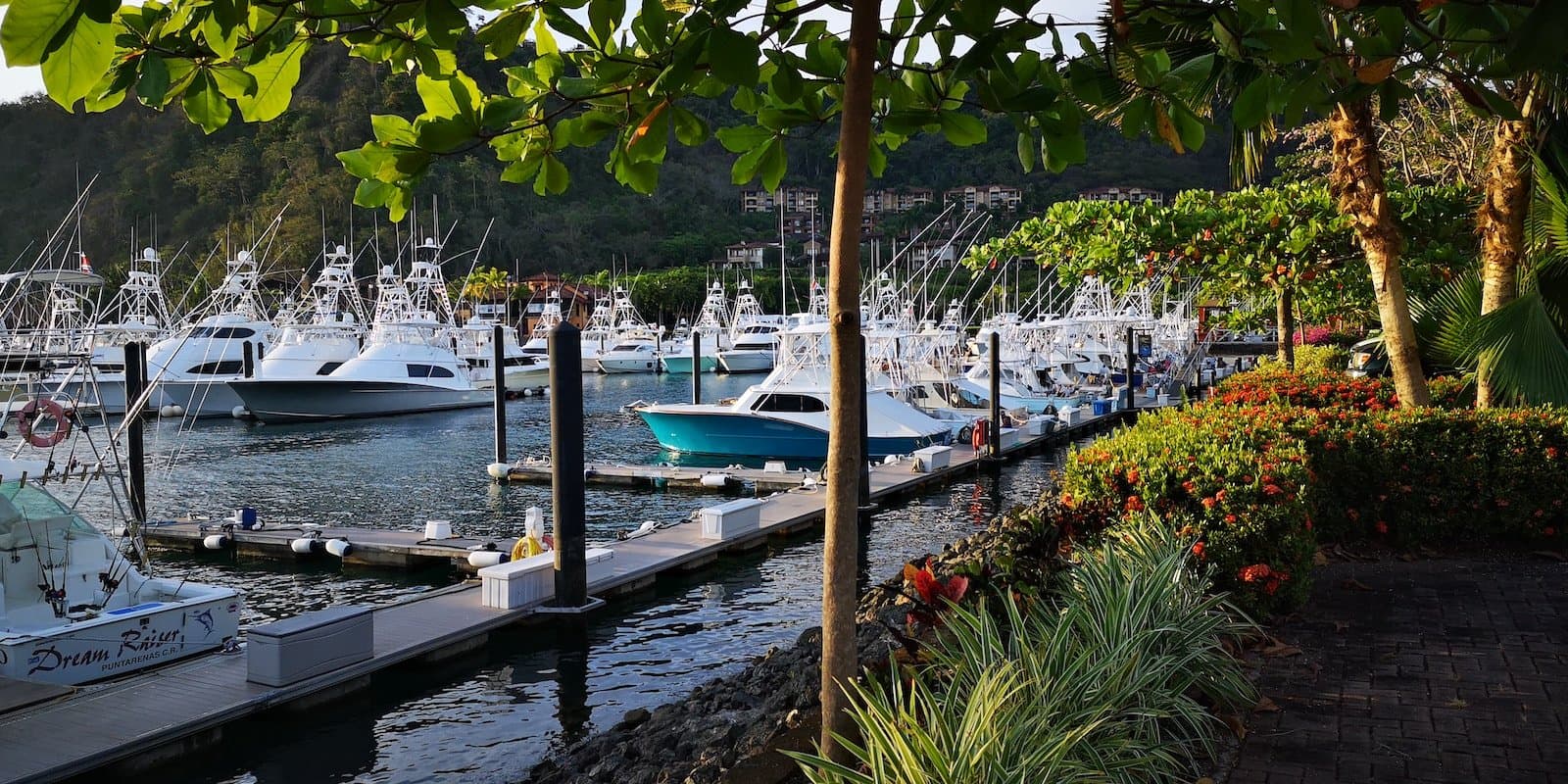
In recent years, the Central Pacific has undergone significant development, with luxury hotels, marinas, shopping centers, golf courses, and fine restaurants emerging as centers of tourism and expat living in the area. The Central Pacific is also one of the most easily accessible regions in Costa Rica thanks to the continued expansion of road systems that connect directly to the Central Valley. (Side note: getting to/from the region on weekends and holidays is daunting with dense traffic so plan accordingly.)
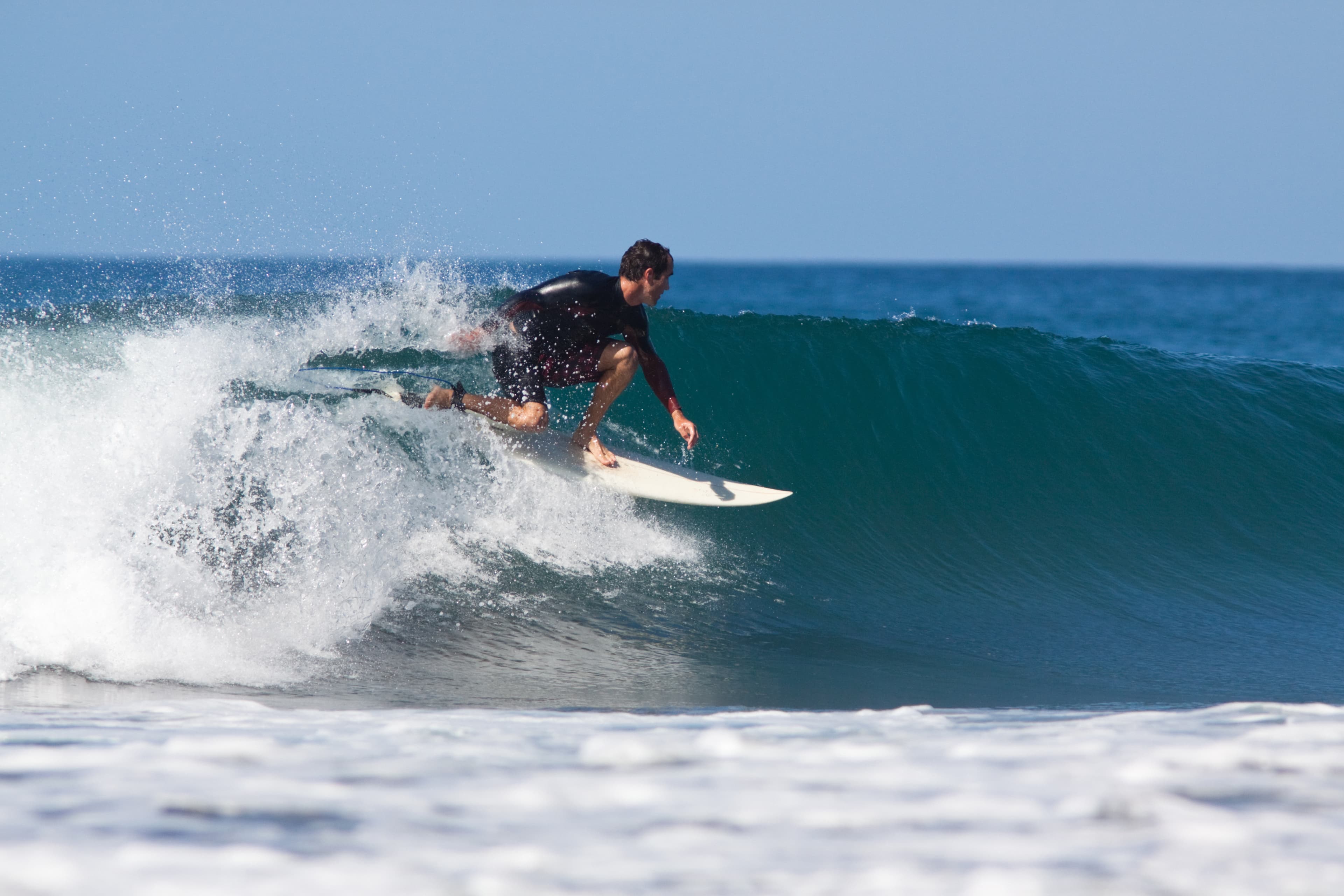
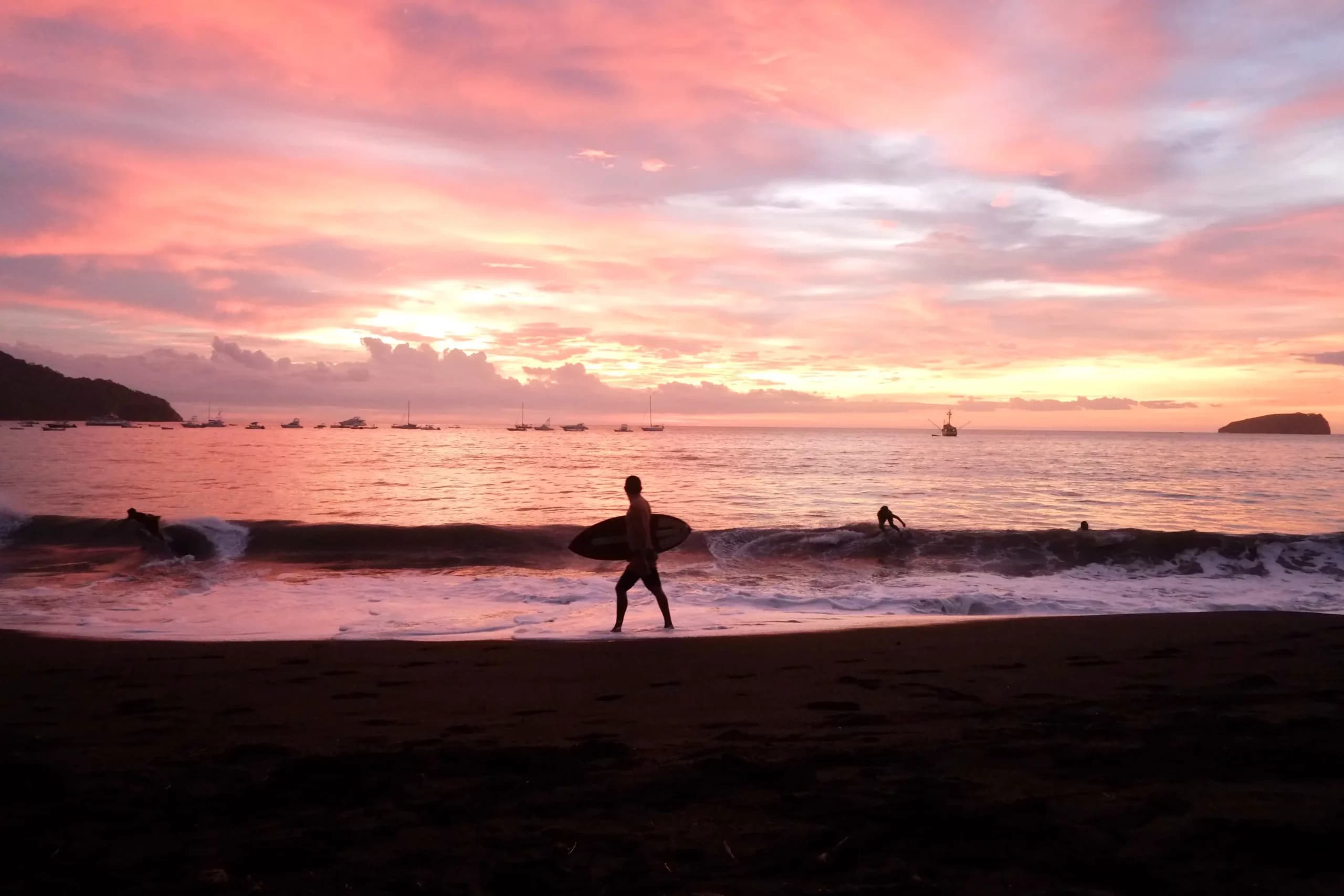
The primary attraction of the Central Pacific region is its natural beauty, with a stunning mountainous coastline and a mix of tropical and rainforest zones that support a vast array of plant and animal diversity. The coastline of the Central Pacific region is known for incredible surfing breaks, with Playa Hermosa and Jacó being just two of the region’s surfing destinations. For those looking for calmer waters for swimming, snorkeling, and scuba diving, Playa Herradura, Playa Blanca, Playa Mantas, Playa Manuel Antonio, and Playa Biesanz are all great options. And Playa Esterillos Oeste is known for its amazing tide pools that are great during low tides.
A destination for many in the region, Manuel Antonio National Park may be Costa Rica’s smallest national park at just 6.83 sq. km. (3 sq mi), but is the most frequently visited national park in the country. The park boasts an unmatched diversity of wildlife, with more than 100 species of mammals including both the brown-throated three-toed sloth and Hoffmann’s two-toed sloth, mantled howler monkey, Central American squirrel monkey, Panamanian white-faced capuchin monkey, and the white-nosed coati. Additionally, various reptile and bat species are present, including the black spiny-tailed iguana, green iguana, and the common basilisk. The park is also a paradise for bird watchers, with 184 bird species including toucans, woodpeckers, potoos, motmots, tanagers, turkey vultures, parakeets, and hawks. Visitors can also observe dolphins and, on occasion, migrating whales, with Olive Ridley sea turtles nesting on nearby pristine beaches.
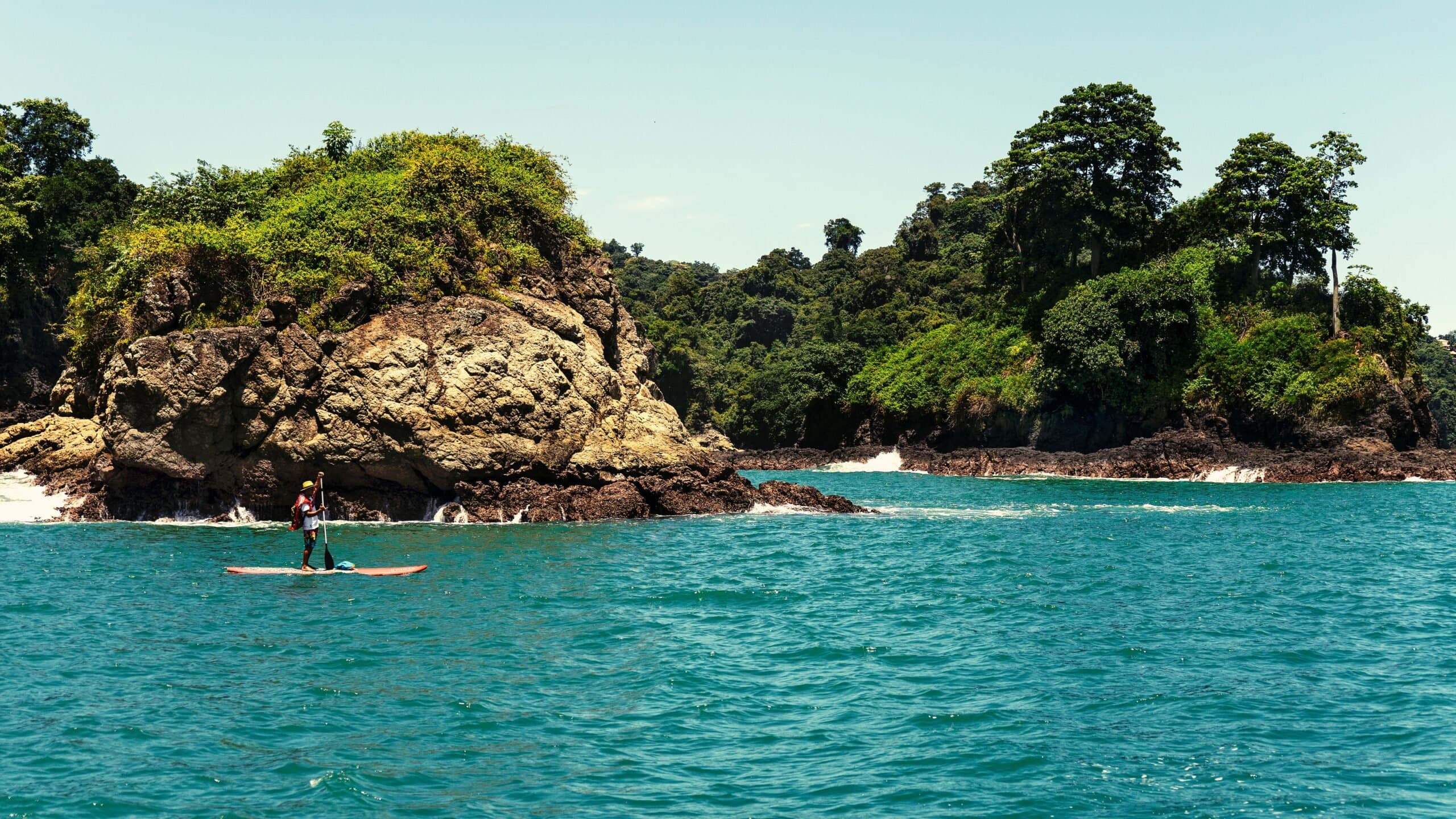
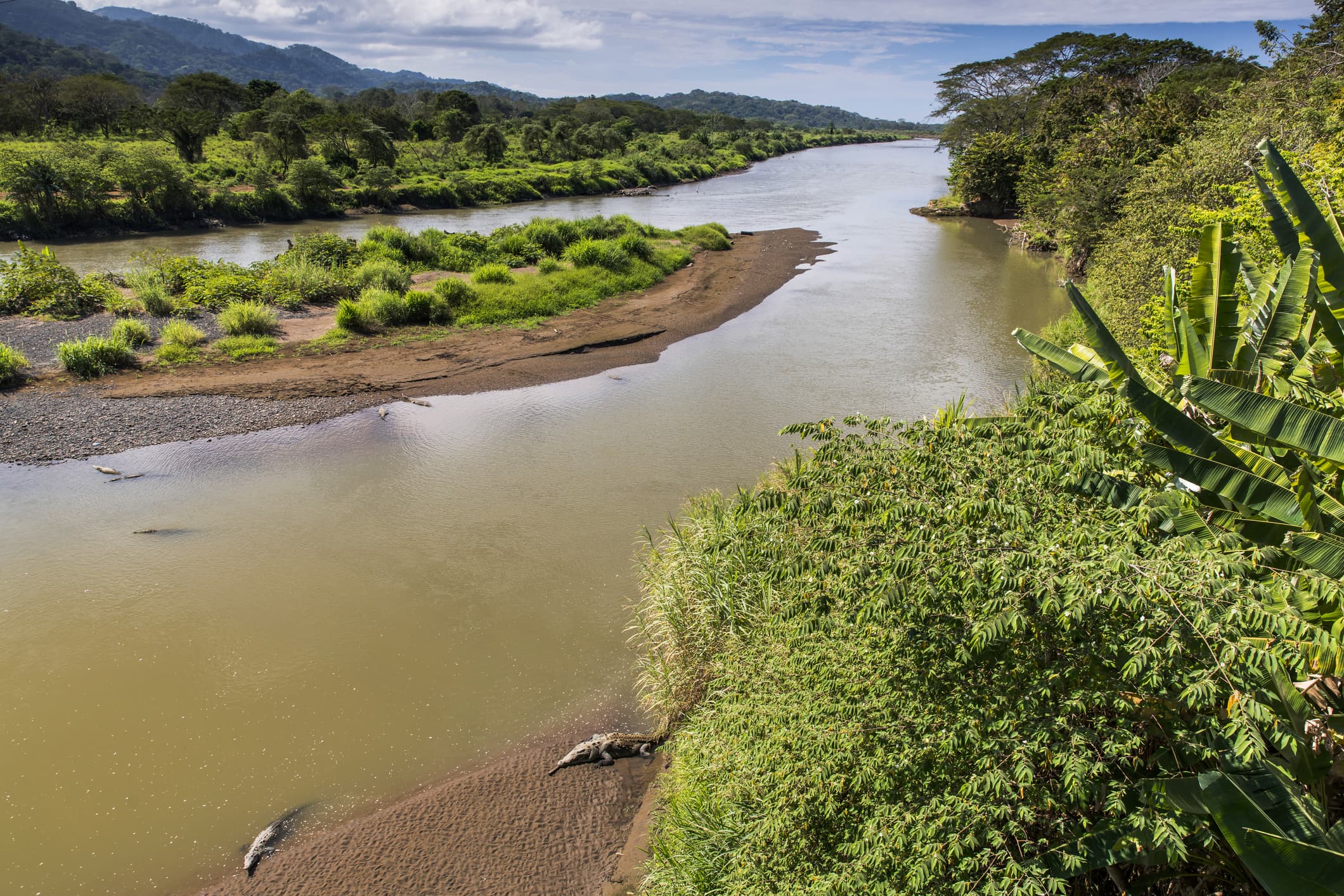
The nearby Marina Pez Vela marina in Quepos, along with Los Sueños marina in Playa Herradura, is famous for sport fishing for species like sailfish, tuna, marlin, wahoo, mahi-mahi, and roosterfish. Both marinas hold fishing tournaments throughout the year that attract international competitors. Other regional adventures include scuba diving and snorkeling, ziplining, kayaking, mountain biking, whale watching, stand-up paddleboarding, waterfall rappelling, whitewater rafting, hiking, or simply relaxing at the beach. You can also take a boat ride on the Rio Tárcoles and see huge crocodiles, book an island cruise around the Gulf of Nicoya, or visit Carara National Park, a transitional rainforest and the second most diverse ecosystem after the tropical rainforest.
South of Manuel Antonio, you’ll encounter a wild coastal region where thick rainforests cover steep hillsides that lead south to the less developed beaches of Dominical, Matapalo, Uvita, the Osa Peninsula, and beyond to the Panamanian border.
Climate
Central Pacific temperatures are pretty constant year-round, with average daytime highs around 30°C (86°F) and nighttime lows below 21°C (70°F). The rainy season offers frequent reprieves due to moisture-backed cold fronts. However the region is also home to mountains that reach up to 1880 meters (6167 feet) above sea level, and weather patterns are dramatically different from the beach towns, with temperatures dropping at times to less than 9°C (48°F) – with frost common on the summit of Mount Chirripó, the highest peak in Costa Rica. Along the coast, the average rainfall is 143 inches per year, but as you ascend into the mountains up to 2,500 feet above sea level, the rainfall almost doubles to 262 inches per year. Relative humidity averages 85%, dropping to between 70-80% in the dry season (January to March), and a high of 90% in the rainiest months (June, September & November).