The Caribbean coast of Costa Rica (Limón Province) is characterized by its natural beauty and lesser development compared to the Pacific side. The vibrant Caribbean culture, influenced by Afro-Caribbean heritage, infuses the region with a reggae-Rasta vibe. Multiple languages, including Spanish and Limón Creole, are spoken in the area. The province’s cuisine is influenced by its Caribbean island ties, with dishes like rice and beans being ubiquitous. The music scene embraces reggae, calypso, and soca genres, adding to the vibrant cultural tapestry of the region. The capital city of Limon is Puerto Limón, and other important cities include Siquirres, Puerto Viejo de Talamanca, and Guápiles.
Most of the province is located in the Caribbean lowlands, while the southwestern area encompasses a portion of the expansive Cordillera de Talamanca mountain range. The province’s northern border is shared with Nicaragua through the Río San Juan, and its western boundaries connect with the provinces of Heredia, Cartago, and Puntarenas. To the south, the province is bordered by Panama through the Río Sixaola.
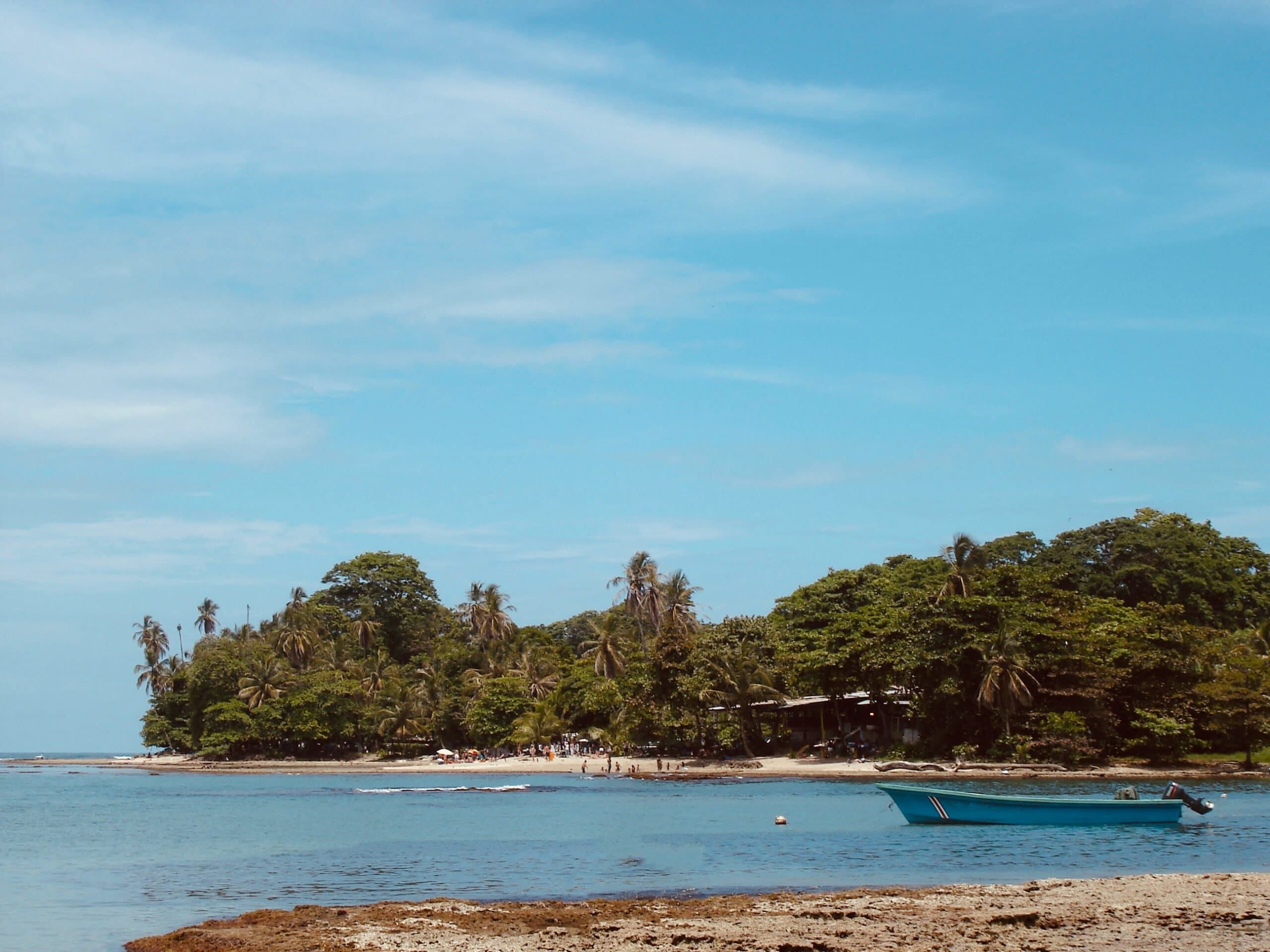
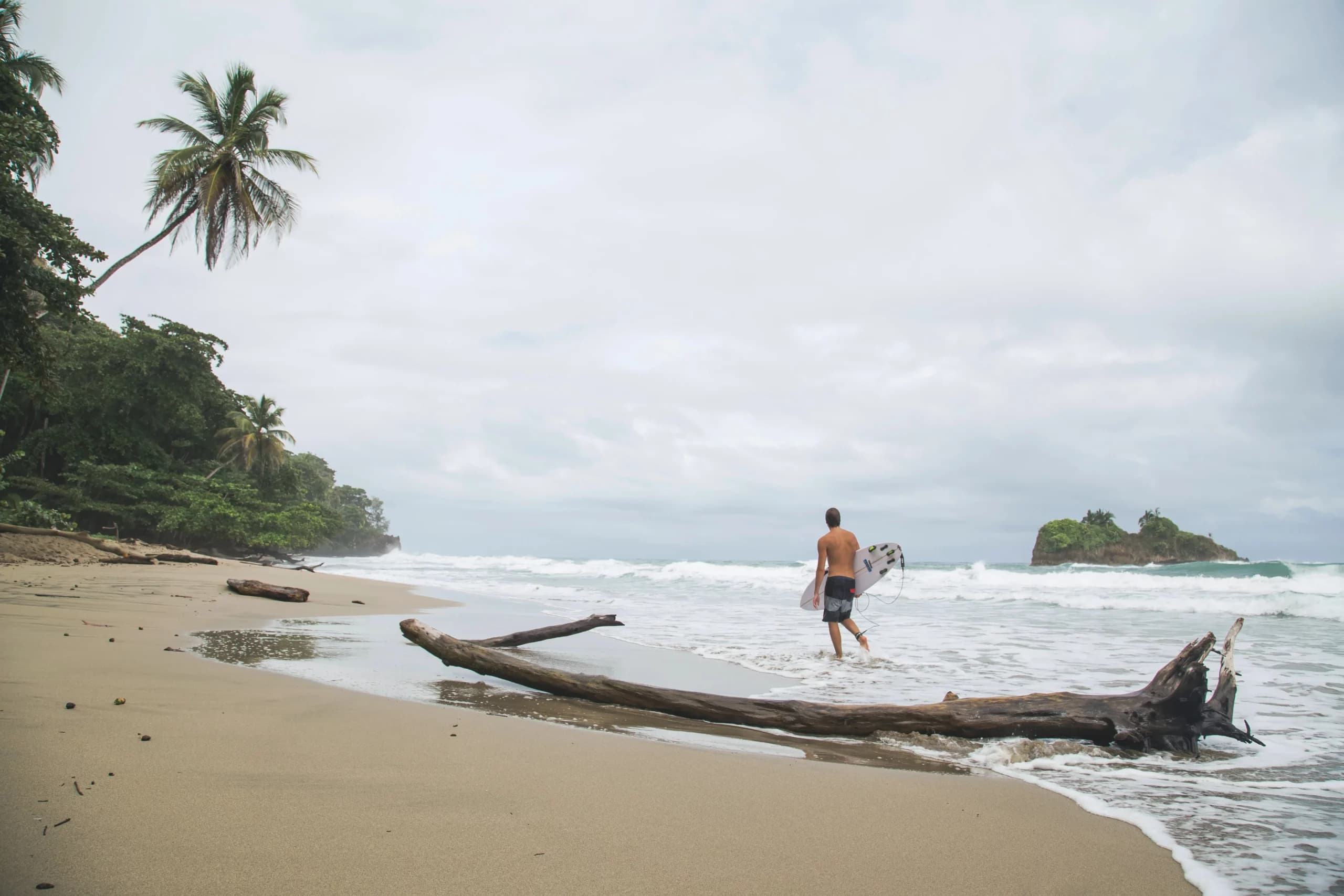
Among the popular destinations in this area, Puerto Viejo stands out as a surf-oriented seaside village located along the southern coast, as is the heart of the expat community. Playa Cahuita offers jungle-lined beaches and is renowned for its snorkeling opportunities. Tortuguero, situated on the northern Caribbean coast within Tortuguero National Park, is a prime wildlife observation area and a major nesting site for Atlantic Green Sea Turtles from mid-July to mid-October. Other important national parks in the region include Cahuita National Park, and the Jairo Mora Sandoval Gandoca-Manzanillo Mixed Wildlife Refuge.
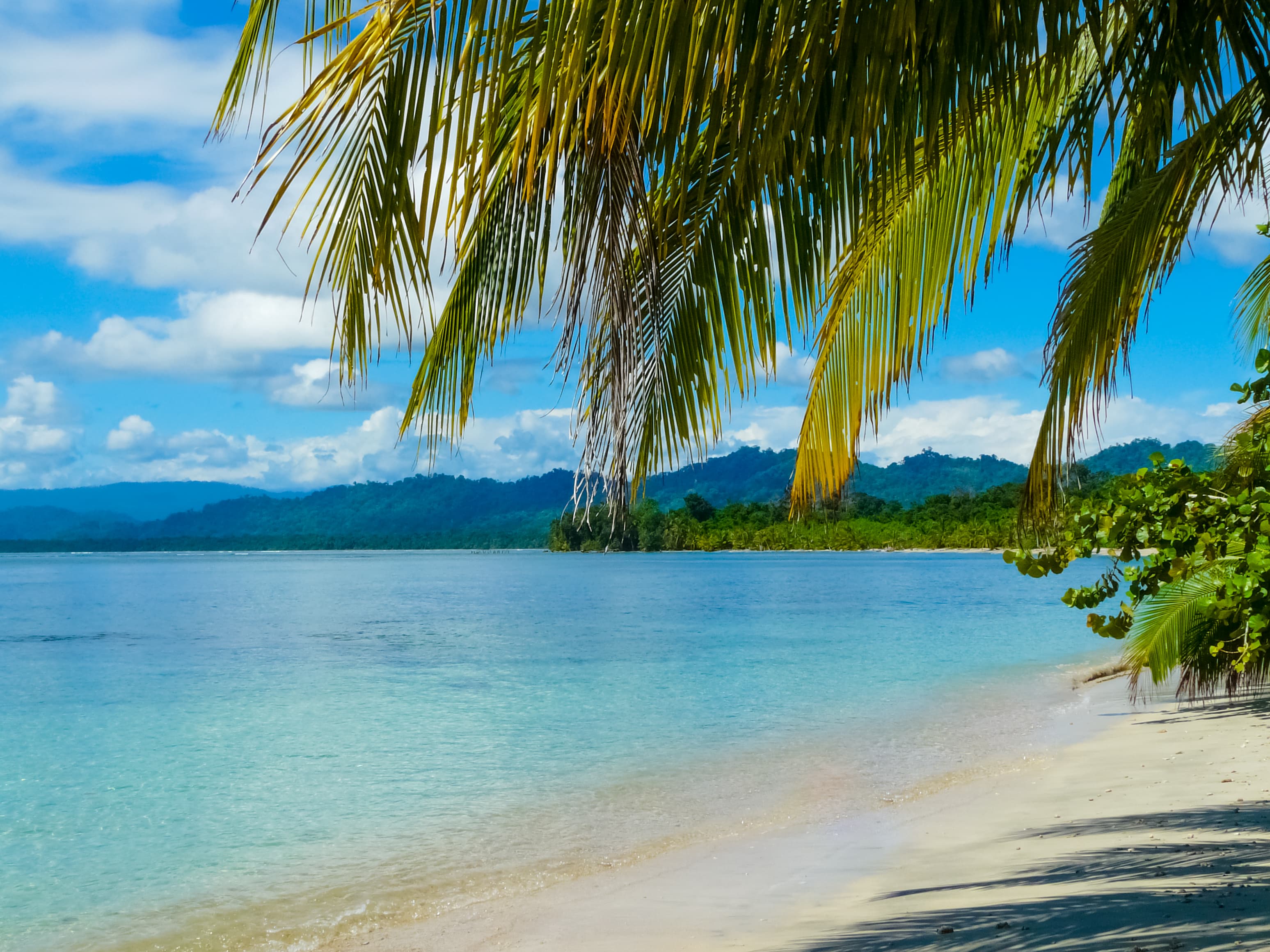
Costa Rica’s Caribbean coast is renowned for its stunning beaches. The southern Caribbean, from Cahuita to Manzanillo, boasts beautiful white sand beaches, turquoise waters, and pristine coral reefs. Snorkeling and scuba diving are particularly exceptional in this area when the sea is calm. The northern Caribbean coast, encompassing Tortuguero and Parismina, features dark sand beaches and is famous for its wildlife and ecotourism opportunities.
Climate
Costa Rica's proximity to the equator ensures consistent temperatures year-round. The Caribbean region is no exception, and even more than other regions it experiences constant heat, humidity, and rainfall throughout the year. The average annual rainfall in the Caribbean reaches 3.5 meters (11.5 feet), with September and October being the driest months.